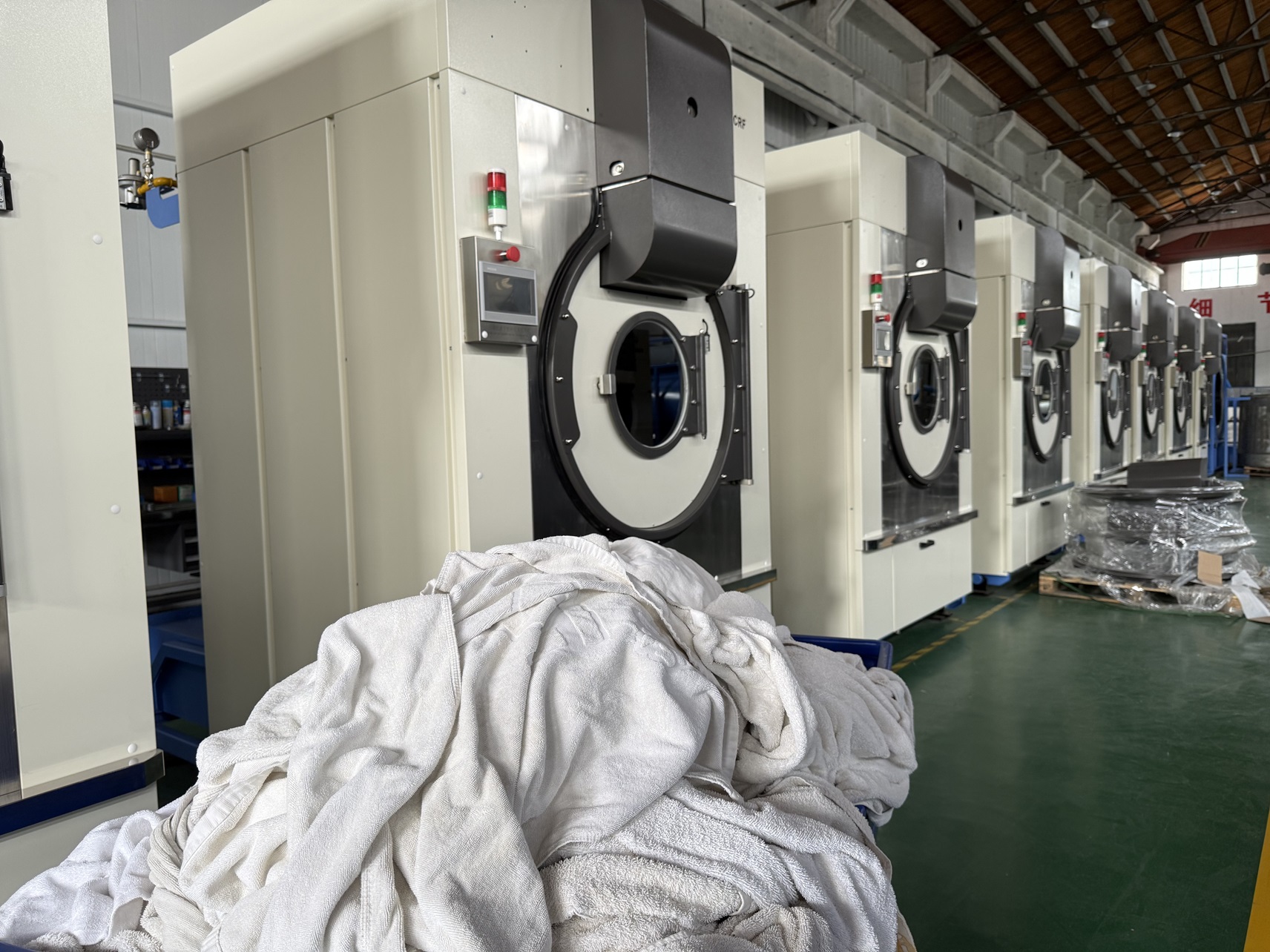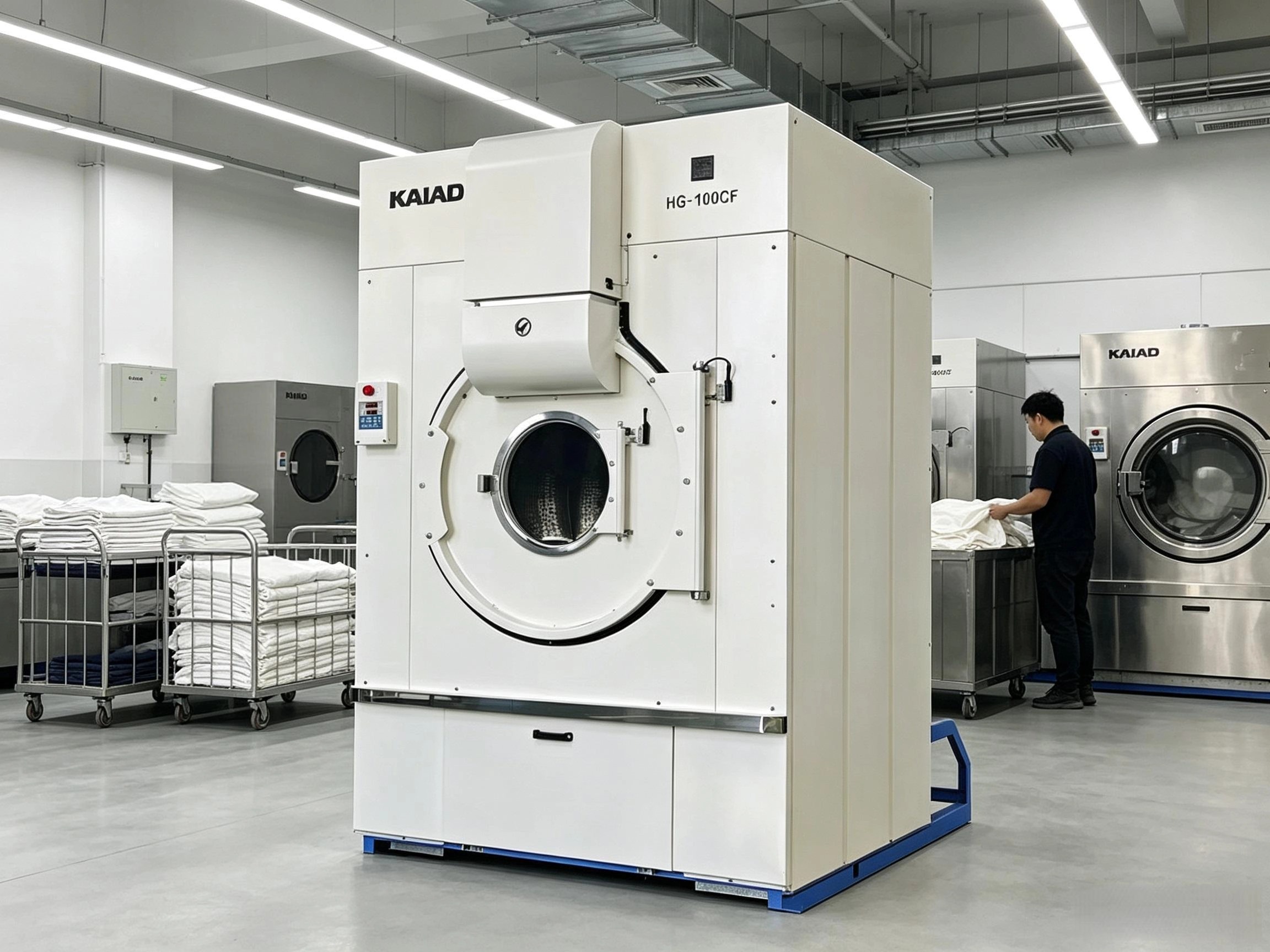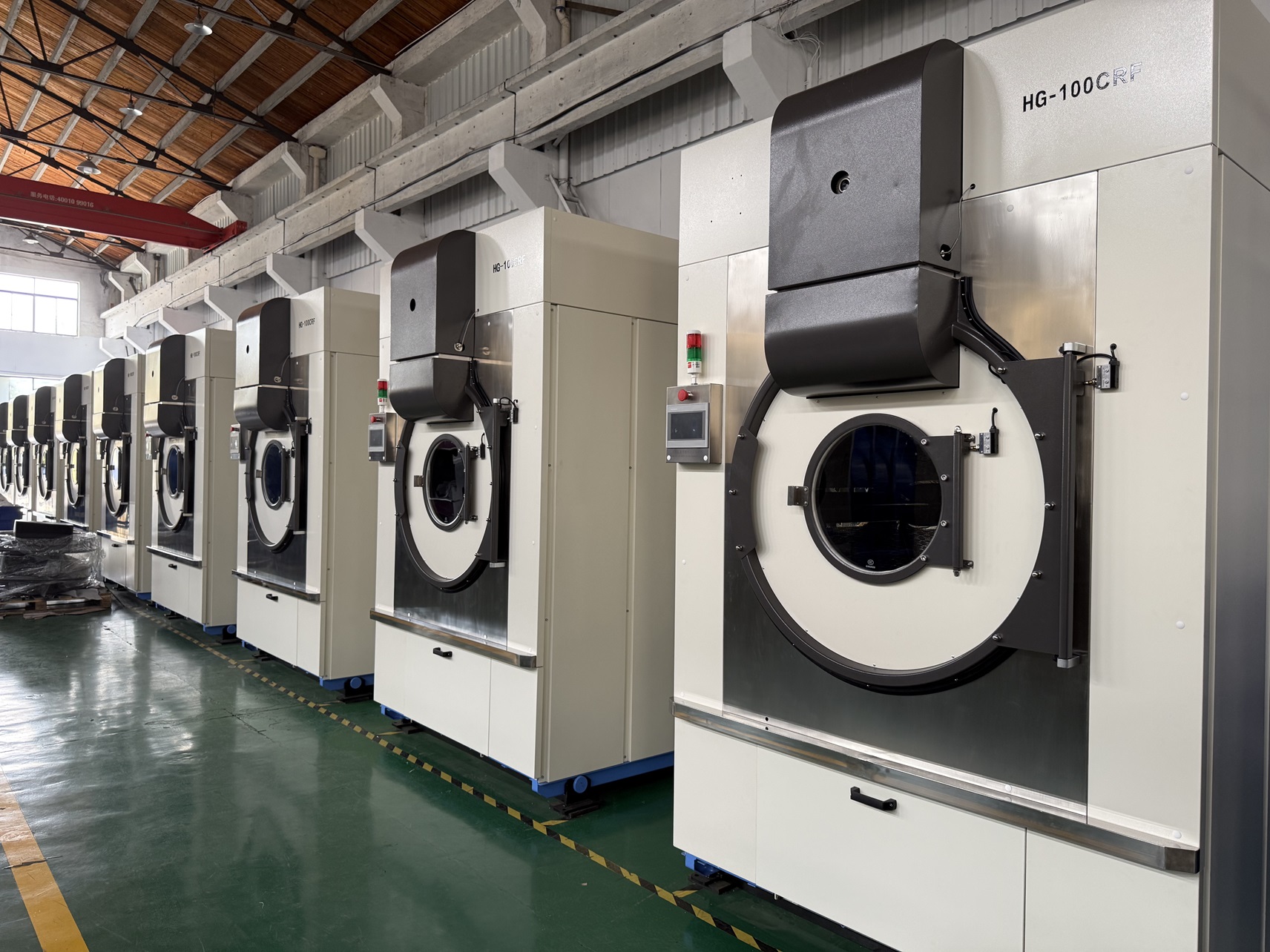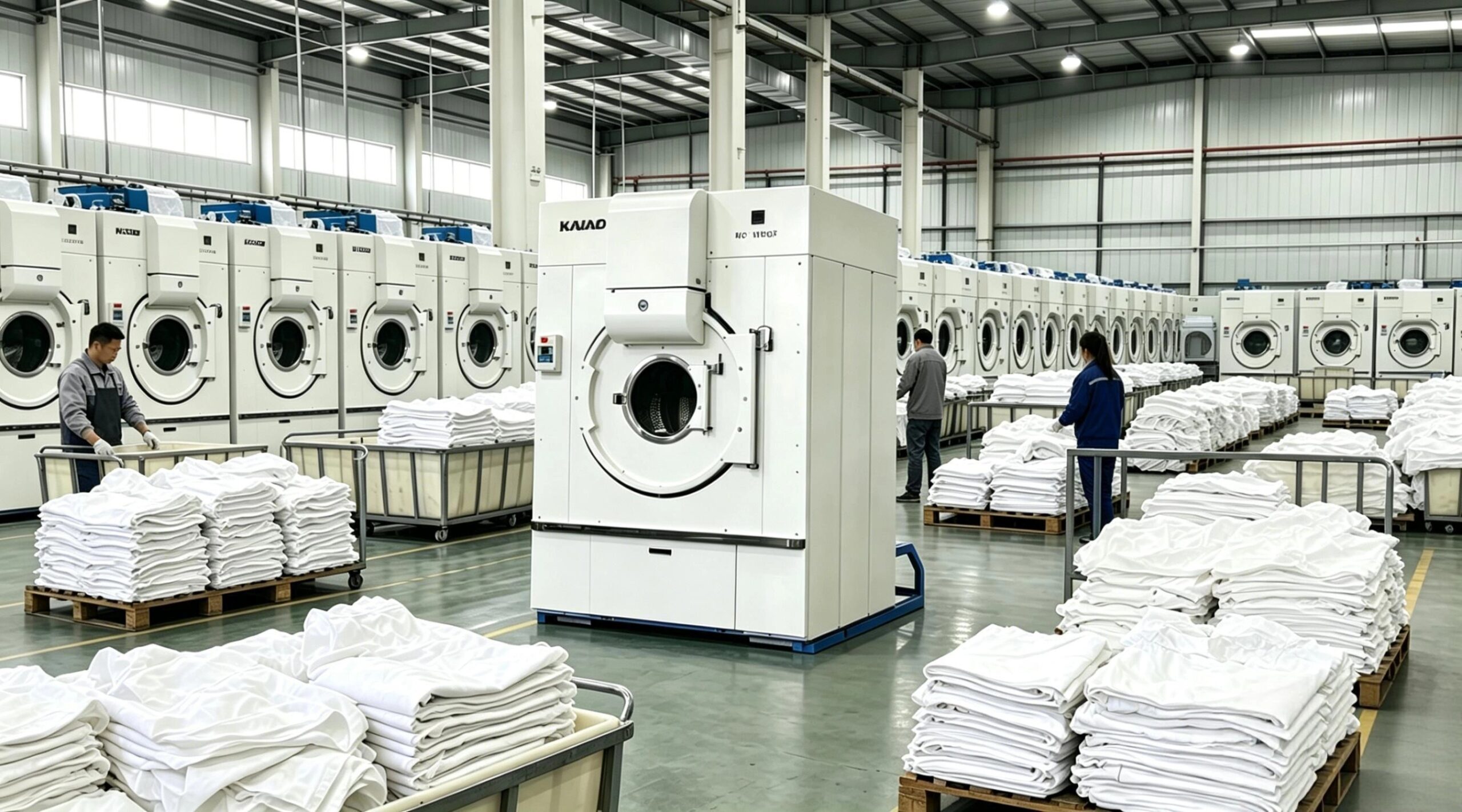
In commercial laundry operations, the drying process has always been the primary energy consumer. Transitioning to high-efficiency energy-saving industrial dryers is the most effective way to stop steam, gas, and electricity bills from climbing month after month. Unfortunately, many operators tend to focus solely on low equipment purchase prices, ignoring long-term energy consumption. As a result, profits are quietly swallowed by thermal energy costs.
To balance both capacity and cost-efficiency, choosing the right industrial dryer requires focusing on four core dimensions.
1. Match the Right Heat Source to Your Facility’s Conditions
Different facility conditions dictate the optimal dryer model.
Gas-fired direct heating dryers are ideal for laundries without boilers or with limited space; they heat up rapidly and eliminate the need for auxiliary boiler systems.
Steam heating dryers offer superior drying stability for facilities with an existing, stable steam supply.
Heat pump dryers are the premier choice for facilities under strict environmental regulations looking for long-term savings. By utilizing waste heat recovery and recirculation, they dramatically reduce thermal energy consumption, offering prominent long-term operational advantages.
Pure electric heating equipment, while requiring lower initial investment, leads to doubled energy bills in the long run. It is highly unsuitable for large-scale, high-volume commercial laundries over the long term.
2. Prioritize Waste Heat Recovery and Smart Humidity Control
Ordinary, legacy dryers directly exhaust hot, humid air, allowing a massive amount of waste heat to escape into the atmosphere.
Waste Heat Recovery: Dryers equipped with patented exhaust heat recovery structures can recycle over 70% of the exhaust heat to preheat incoming fresh air, directly reducing the load on the heating source.
Smart Humidity Control: Built-in moisture sensing modules are even more critical. By monitoring the dryness of the linens in real time and automatically stopping the cycle once dry, they prevent over-drying and energy waste. This feature alone can reduce single-batch energy consumption by approximately 20%.
Note: Many entry-level machines only offer basic heating elements and lack heat recovery systems, leading to a massive gap in long-term operational costs.
3. Evaluate Cabinet Insulation and Air Duct Design
The quality of the dryer’s physical structure plays a huge role in energy conservation:
Thickened insulation layers on premium-built units effectively minimize heat dissipation through the machine’s cabinet.
Optimized internal circulating air ducts ensure that hot air penetrates linens evenly, eliminating under-dried cold spots and preventing the need for repetitive heating.
Many manufacturers cut corners on insulation and duct design to lower their selling prices, which inevitably results in astronomical heating bills accumulated over months of daily use.
4. Choose Brands with Mature Energy-Saving Technologies
Brands with years of deep cultivation in the commercial wash-and-dry industry possess highly mature, proven energy-saving technologies.
For instance, many laundry factories upgrading their equipment rely on Kaiao’s drying solutions. Kaiao‘s self-developed automatic exhaust heat recovery system features a self-cleaning filter that eliminates the need for frequent manual maintenance. It is fully adaptable for drying towels, workwear, hotel linens, and various other textiles, maintaining a perfect balance between high capacity and low energy consumption to suit different scales of laundry operations.
Summary: Match Capacity Wisely for Maximum ROI
Finally, always match the dryer’s tonnage to your actual daily capacity. Avoid using oversized machines in small plants to prevent wasteful empty runs, and never overload machines as this drastically prolongs drying times.
By comprehensively analyzing your heat source conditions, daily linen volume, and regional environmental policies, you can make an informed selection. While energy-saving configurations may require a slightly higher initial investment, the rapid payback from utility bill savings will quickly offset the equipment premium—truly paving the way for sustainable cost reduction and efficiency enhancement.