In commercial laundry plants and hotel linen processing, the industrial dryer is a mission-critical piece of equipment. Drying cycle time and energy consumption directly dictate overall throughput and operational overhead. However, many buyers focus solely on the initial equipment quote, overlooking the massive hidden costs driven by long-term energy consumption.
When handling the exact same batch of linens, performance variations across different machines are substantial. For instance, under standard working conditions (ambient temperature: 20°C, steam pressure: 0.4–0.7 MPa) processing a 100 kg batch of dry-weight towels with a post-extraction moisture retention rate of 60–70%:
Standard Market 100 kg Steam Dryer: Requires 70–120 minutes per cycle with steam consumption reaching 140–200 kg.
Standard Market 100 kg Gas Dryer: Takes 50–120 minutes per cycle and consumes 8–12 m³ of natural gas. (Prolonged cycles not only create severe bottlenecks across the entire wash line but also cause utility expenses to skyrocket over time.)
Drawing on deep expertise in commercial laundry engineering, KAIAO has structurally optimized multiple industrial dryer models for real-world operating conditions—delivering a balance of high throughput and superior energy efficiency:
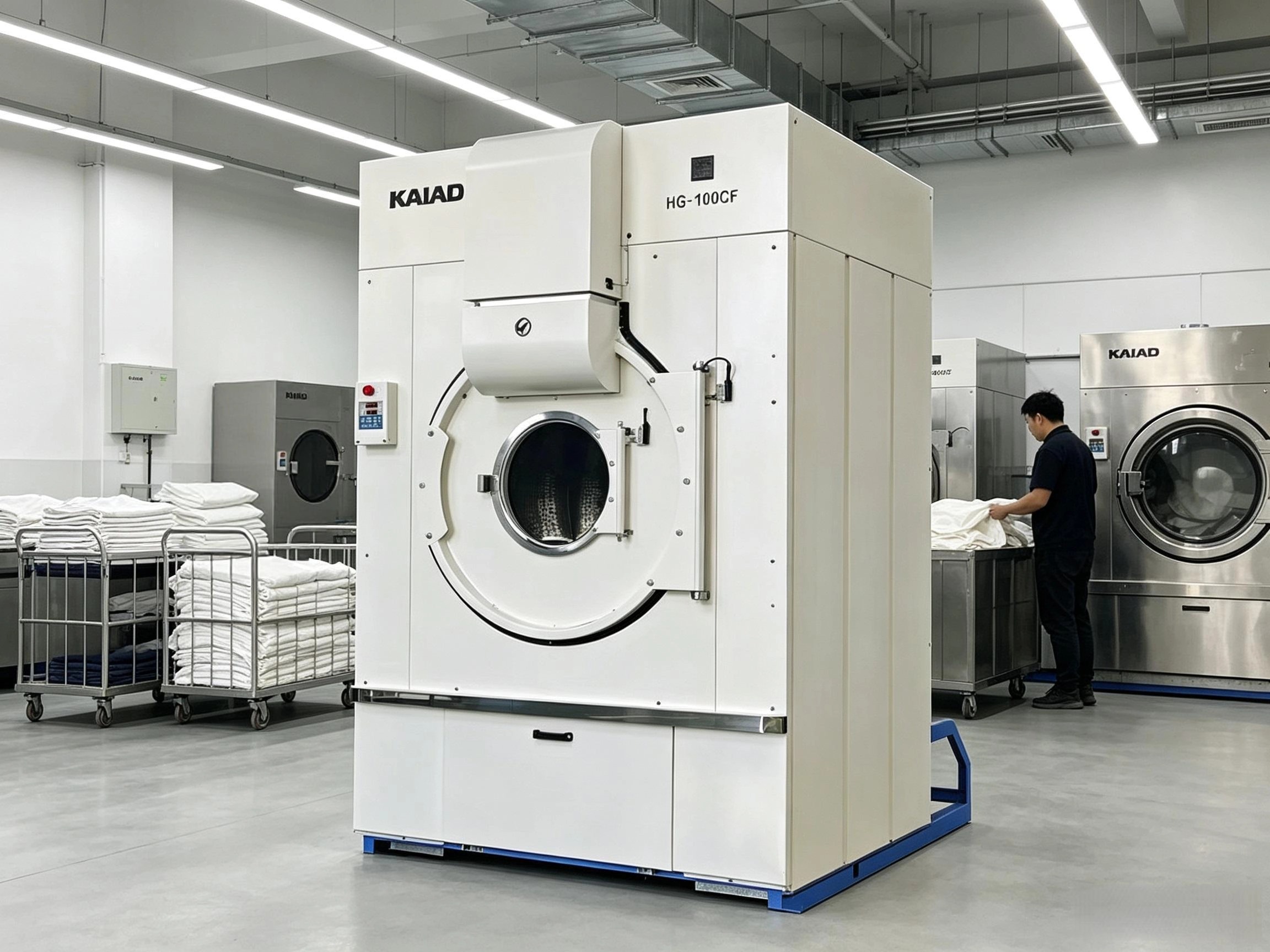
HG-100F Steam Dryer: Completes a cycle in just 30–40 minutes, reducing steam consumption to 100–120 kg.
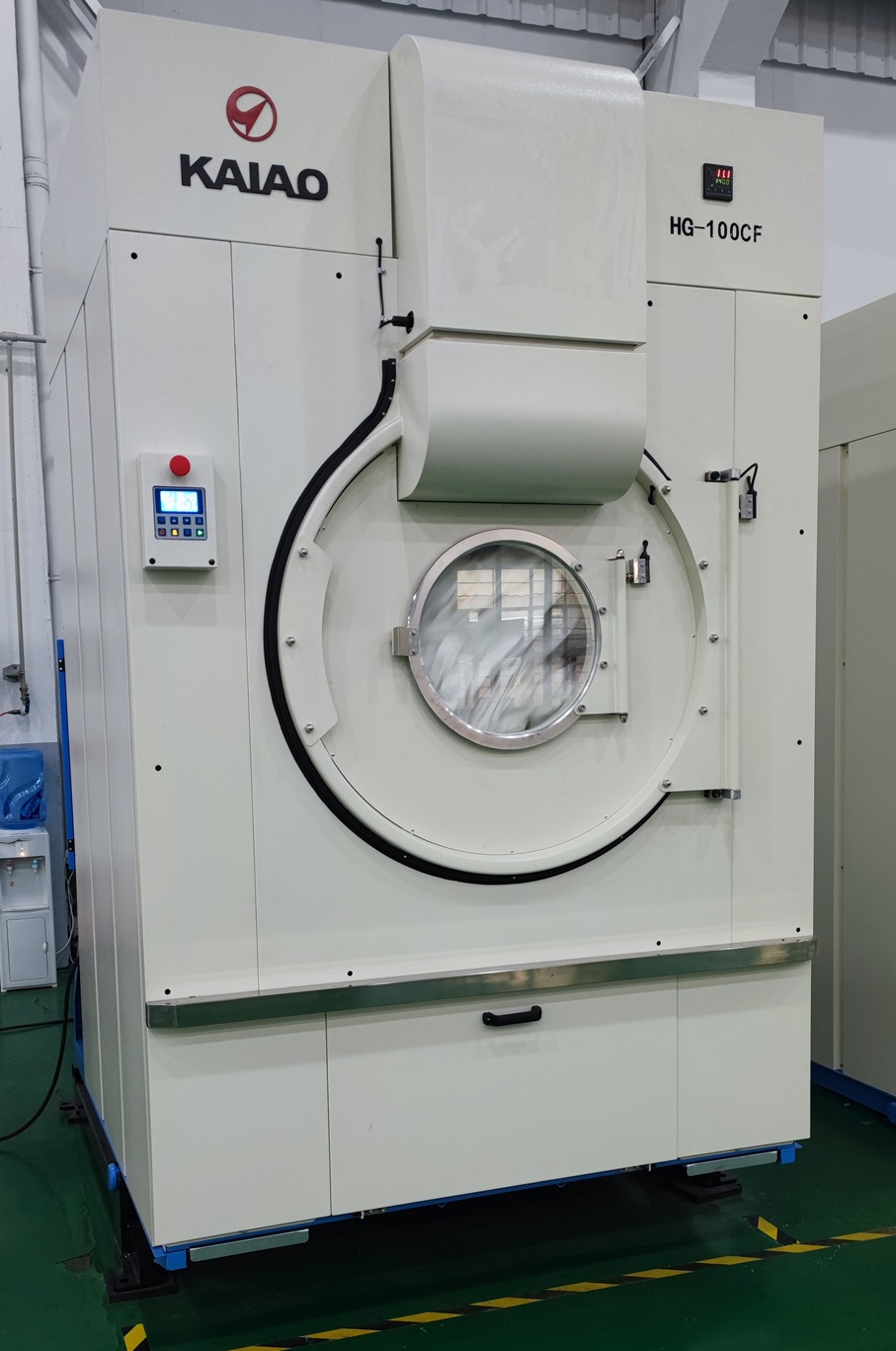
HG-100CF Steam Dryer: Further optimizes thermal efficiency, lowering steam consumption to 90–110 kg.
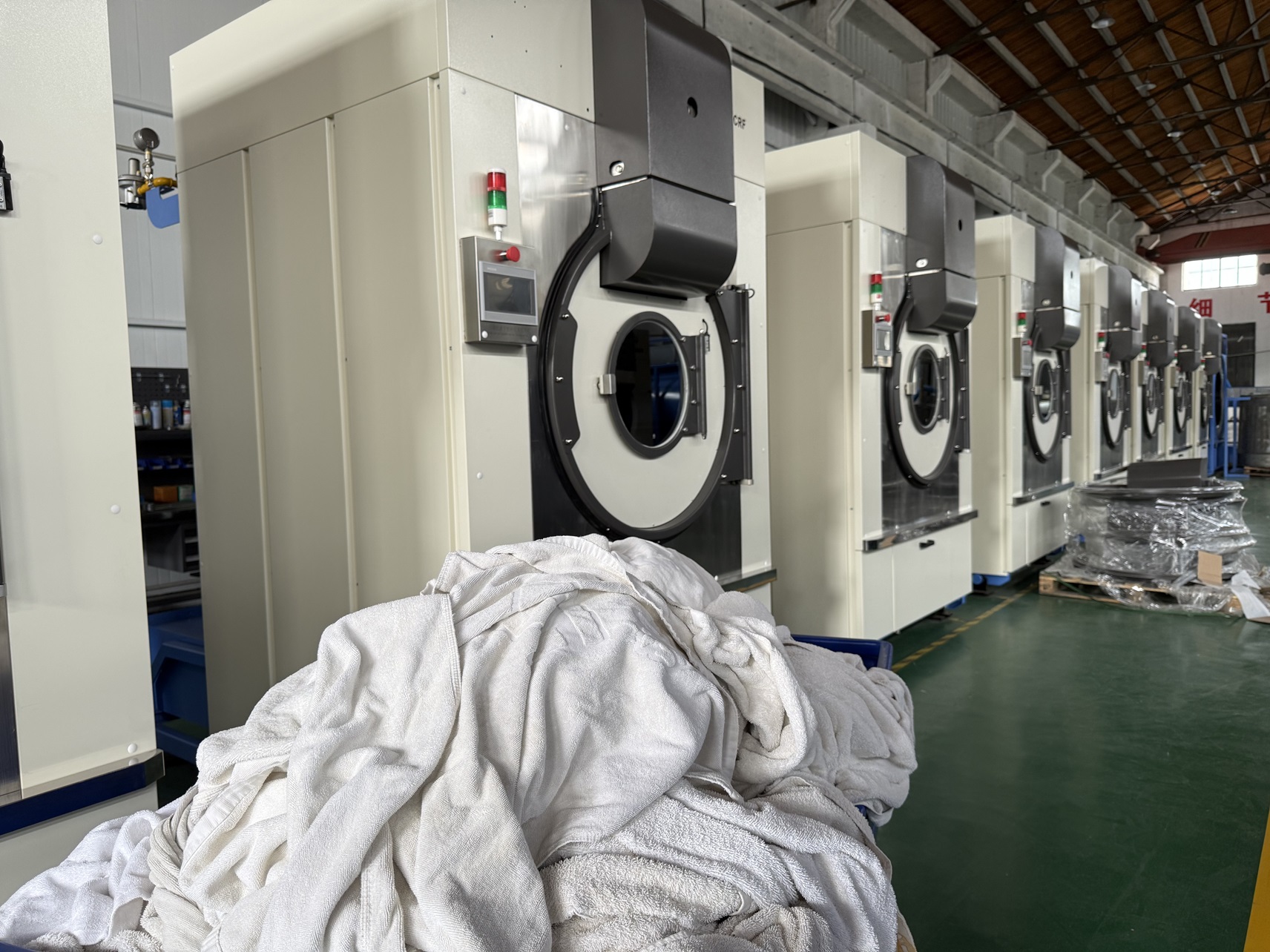
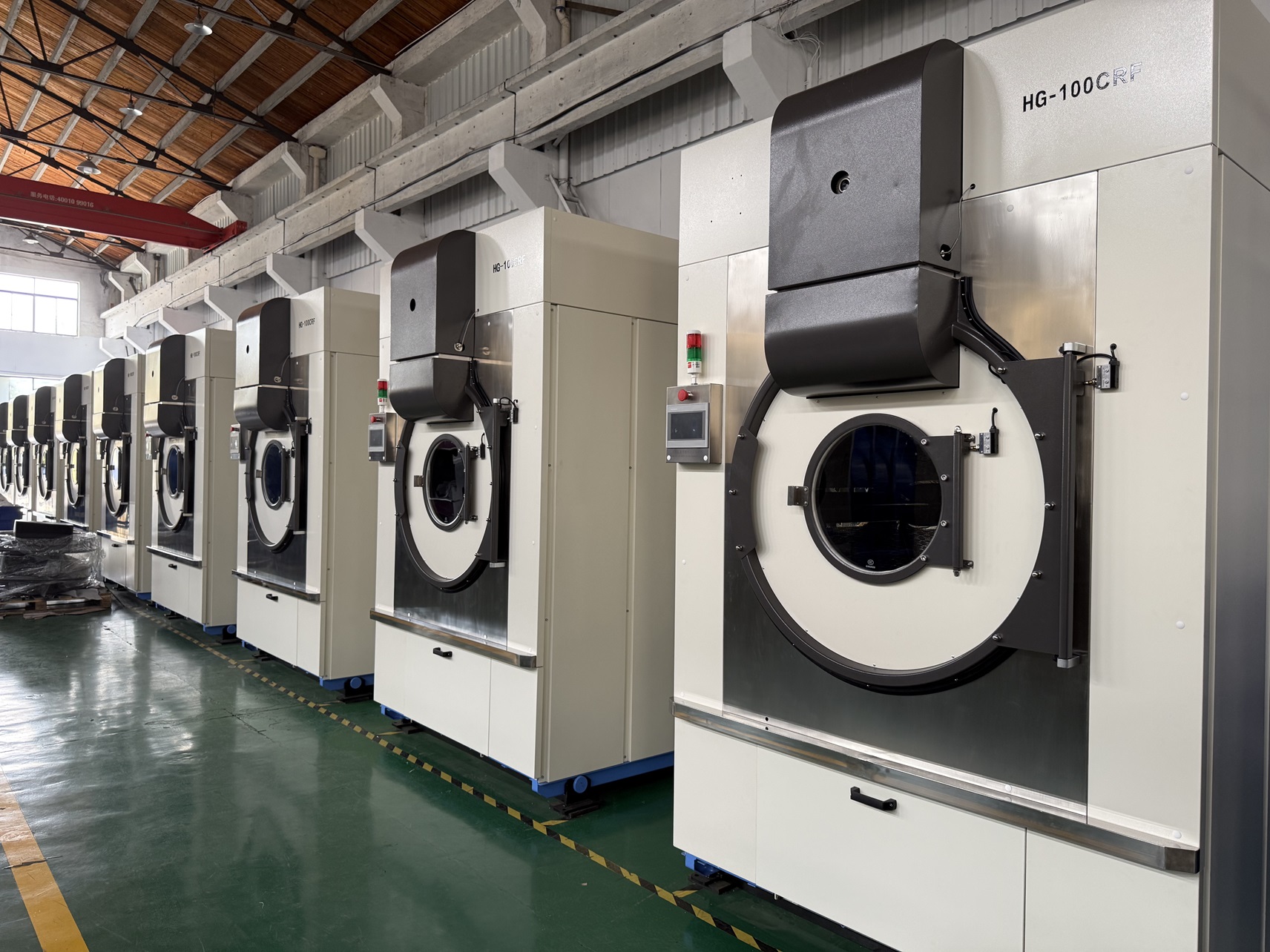
HG-100CRF Gas Dryer: Finishes the load within 30–40 minutes, utilizing only 6–7.5 m³ of natural gas.
A faster drying cycle means significantly higher linen turnover per hour, unlocking higher plant capacity. At the same time, reduced utility consumption directly curbs operating expenditures. For commercial laundry enterprises, choosing the right industrial dryer is not just buying a standalone machine—it is investing in a high-efficiency production solution. A cost-effective machine with a balanced initial investment will continuously generate returns through power, steam, and gas savings, safeguarding long-term profitability and lean manufacturing.