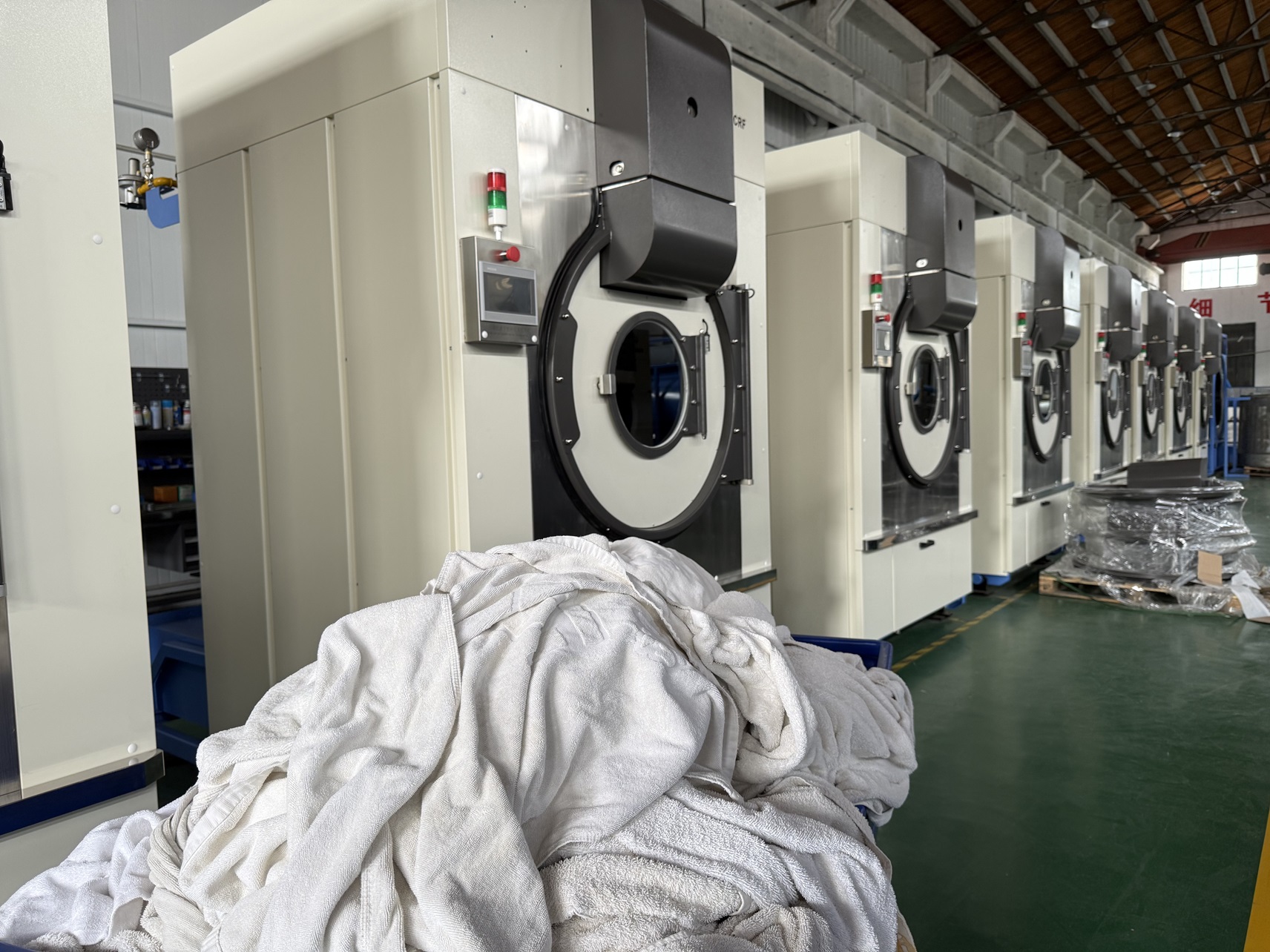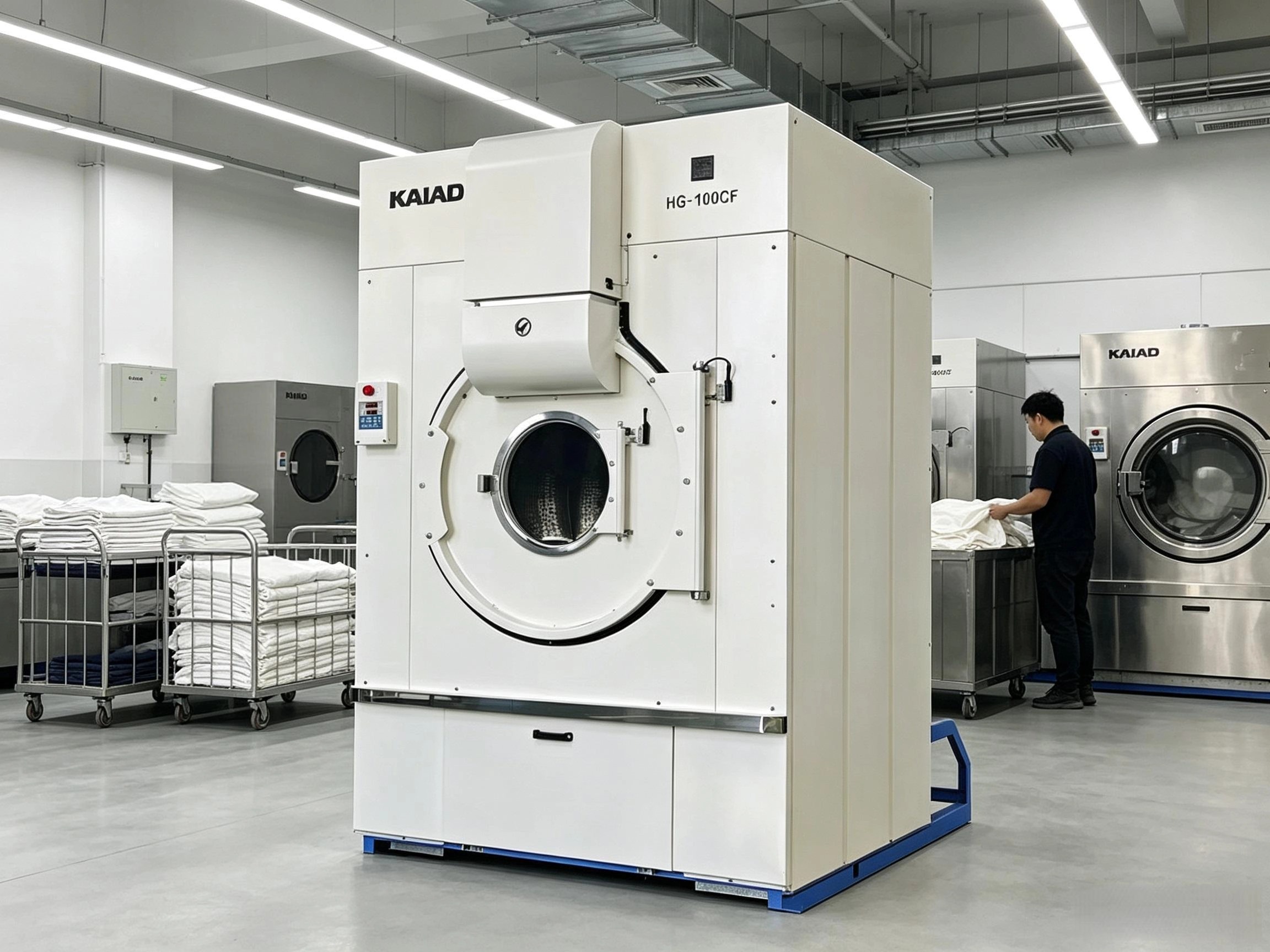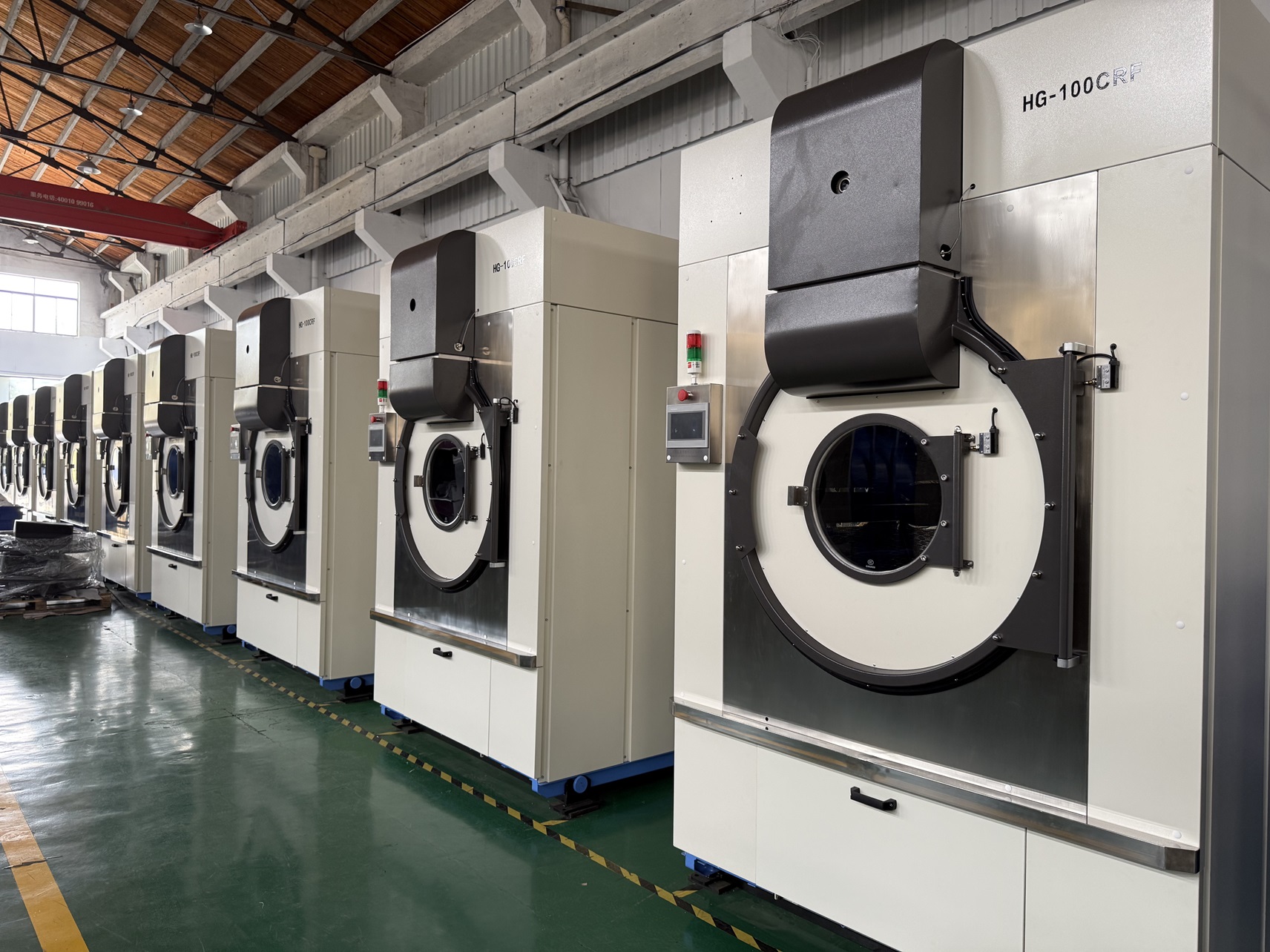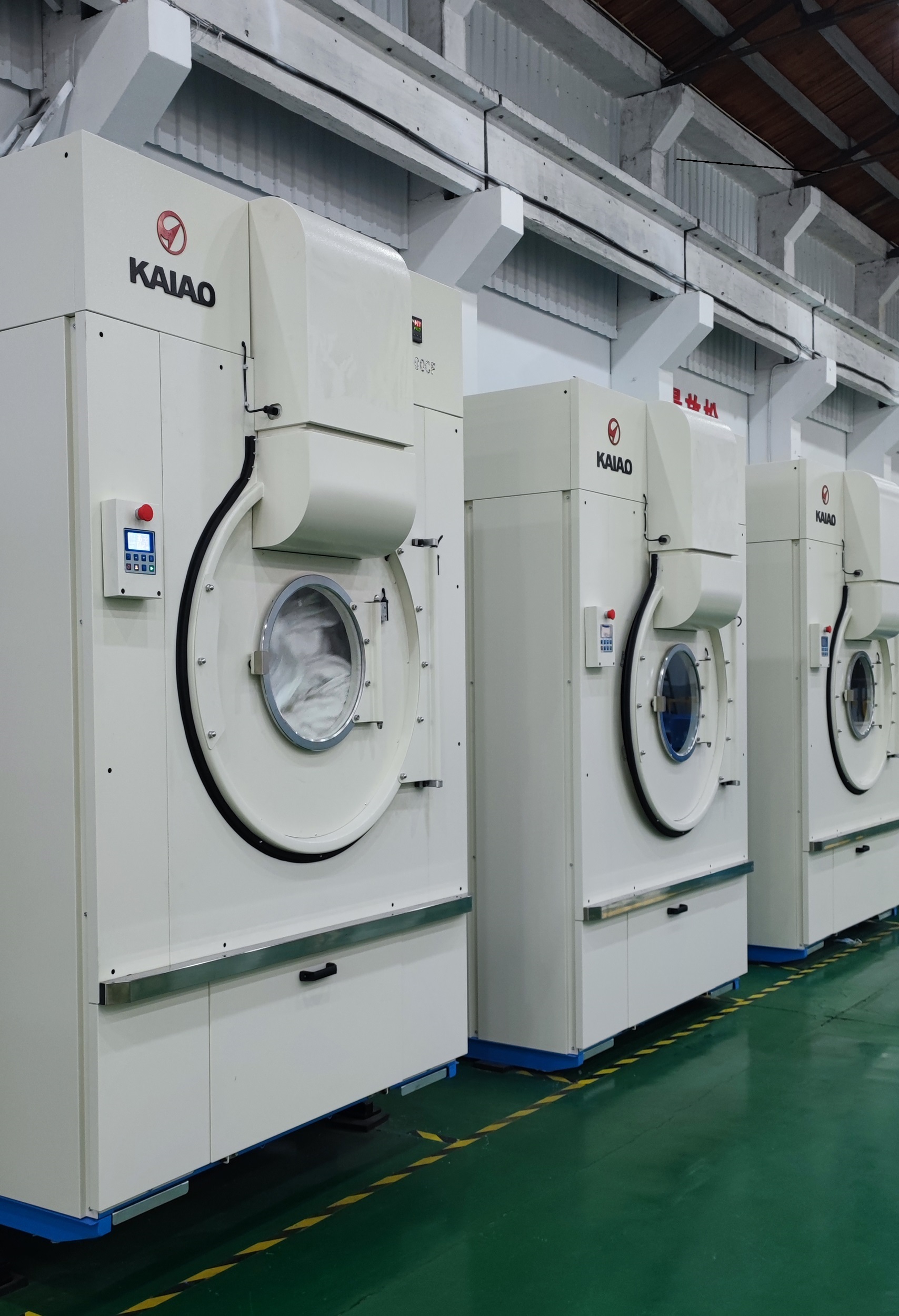
When evaluating the comprehensive performance of industrial dryers, drying time and energy consumption are the two core standards. However, most laundry professionals tend to overlook the chain reaction caused by load capacity. Fabric standards vary drastically across different industries, directly dictating equipment efficiency.
In laundry workshops for hotel linens and hospital uniforms, fabrics have high durability, allowing load capacities to reach 50% to 100% of the equipment’s rated capacity. Conversely, the garment dyeing and garment washing industries have stringent requirements for finished flatness and appearance, keeping load capacities generally controlled between 50% and 70%. Improper management of load capacity not only slows down the production rhythm but also significantly increases gas consumption, driving up operational costs.
Many machines suffer from uneven drying and surging gas consumption under full-load conditions. In contrast, Kaiao gas drying equipment, which adapts to multiple scenarios, perfectly balances load capacity, speed, and energy consumption:
100 kg Wet Load: Takes only 25 minutes with natural gas consumption at about 4 cubic meters.
160 kg Wet Load: Drying time remains stable at 30 to 40 minutes, with gas consumption at approximately 6 cubic meters.
Its drying uniformity and finished texture are fully comparable to high-end steam drying equipment, successfully balancing throughput and quality.
For laundry plants and dyeing factories that process large volumes of fabrics daily, stable and controllable energy consumption, alongside flexible and adaptable load capacities, are the core of reducing costs and increasing efficiency. This equipment accommodates diverse needs without requiring a change of machinery due to industry differences. Even under heavy loads, it consistently maintains low gas consumption and short processing times, ensuring the final product is free from localized dampness.
Over long-term operations, drying energy consumption constitutes a major expense. A dryer that can adapt to different loading standards while balancing efficiency and product quality can continuously compress operational costs. It is ideally suited for the round-the-clock mass production needs of various professional laundry enterprises, making it the preferred drying solution for cost reduction and quality enhancement in the laundry industry.