For laundry companies, commercial laundries, garment washing plants, and textile dyeing factories, a dryer is an essential piece of equipment in the production process. It is also one of the major factors affecting energy and labor costs.
When choosing a drying system, many customers ask: “Gas dryer vs steam dryer: which is more cost-effective?”
In fact, this question cannot be answered simply by comparing gas prices and steam costs. Factors such as drying speed, energy consumption, labor costs, and long-term operating stability should all be considered.
The key factors for evaluating an industrial dryer include drying speed, energy consumption, and stable and reliable performance under the same drying conditions.
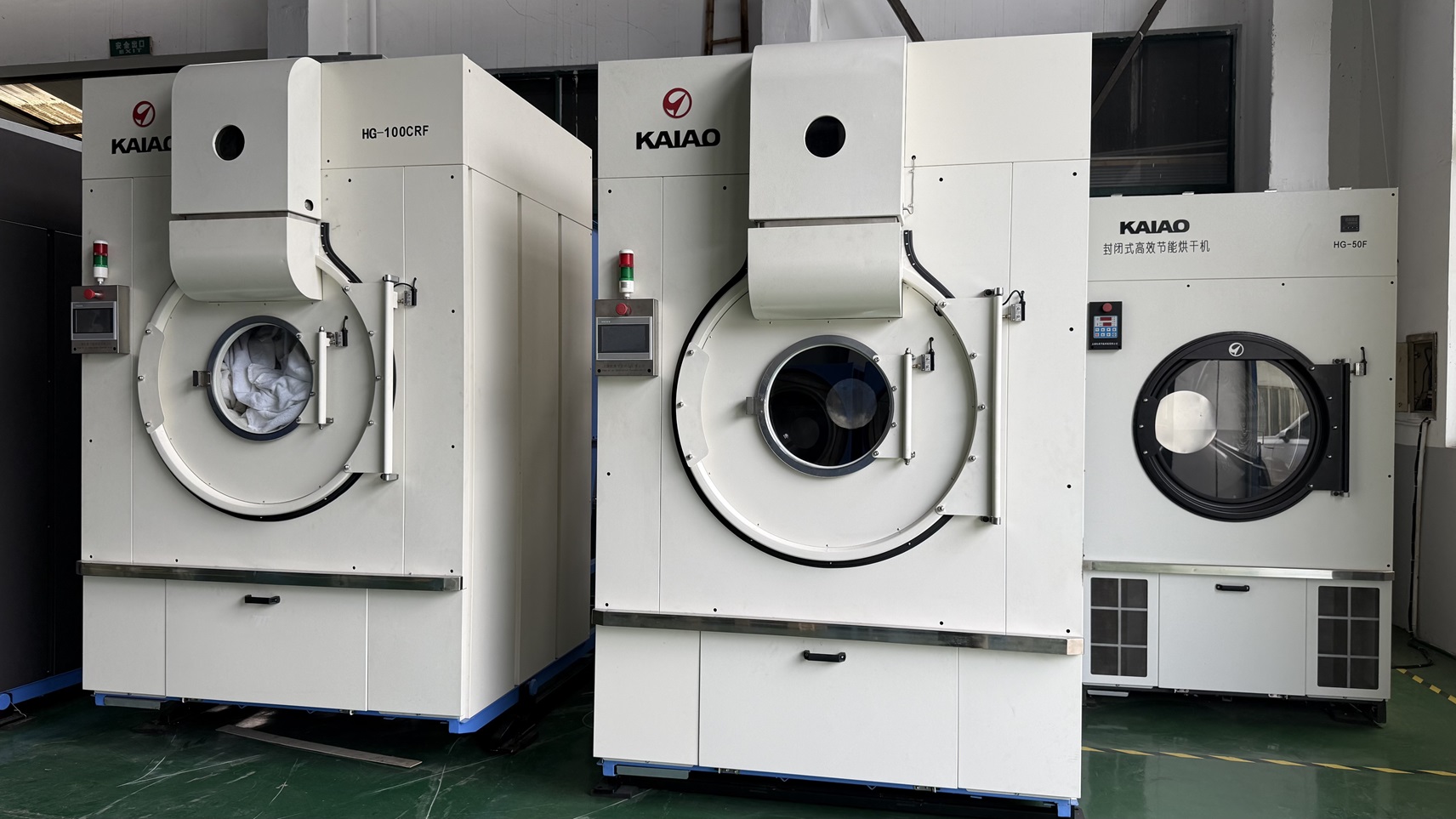
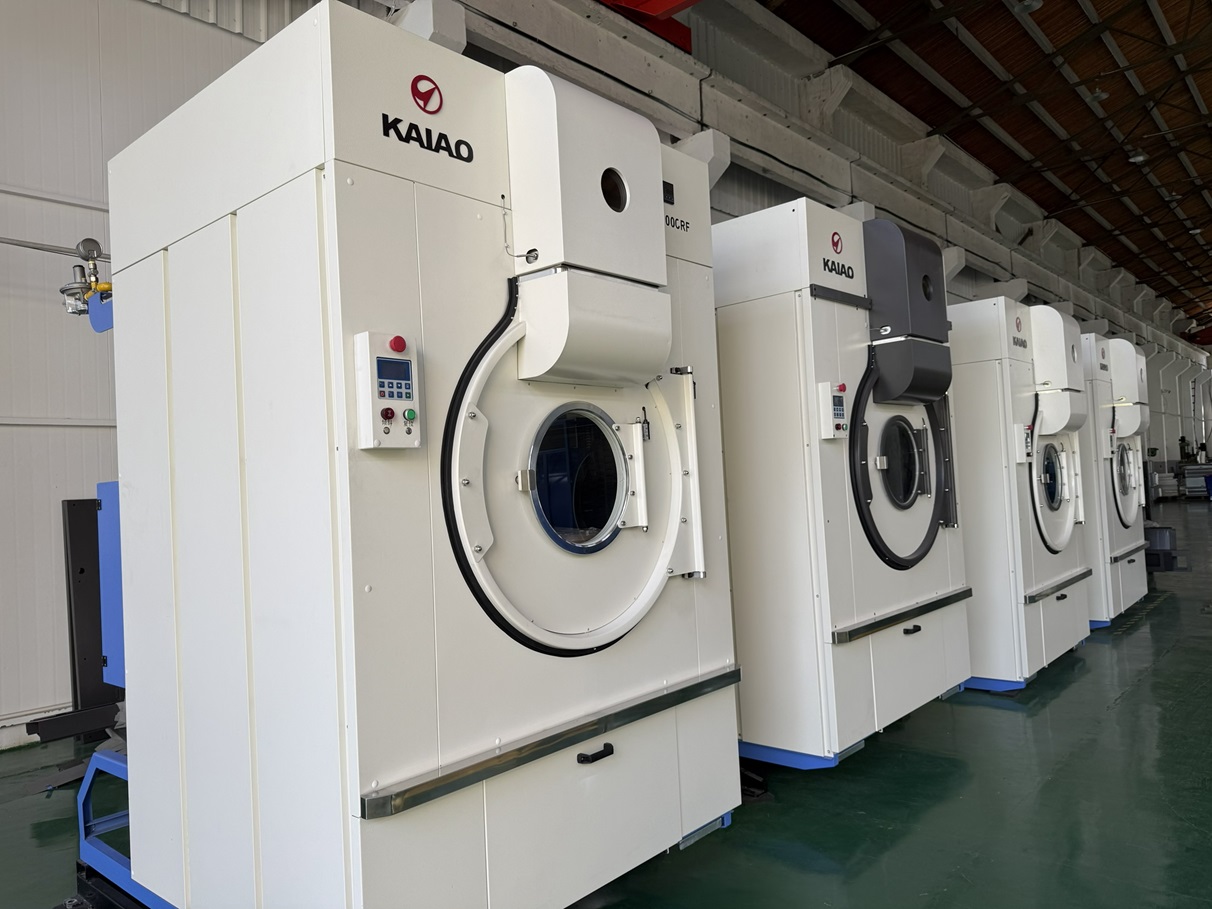
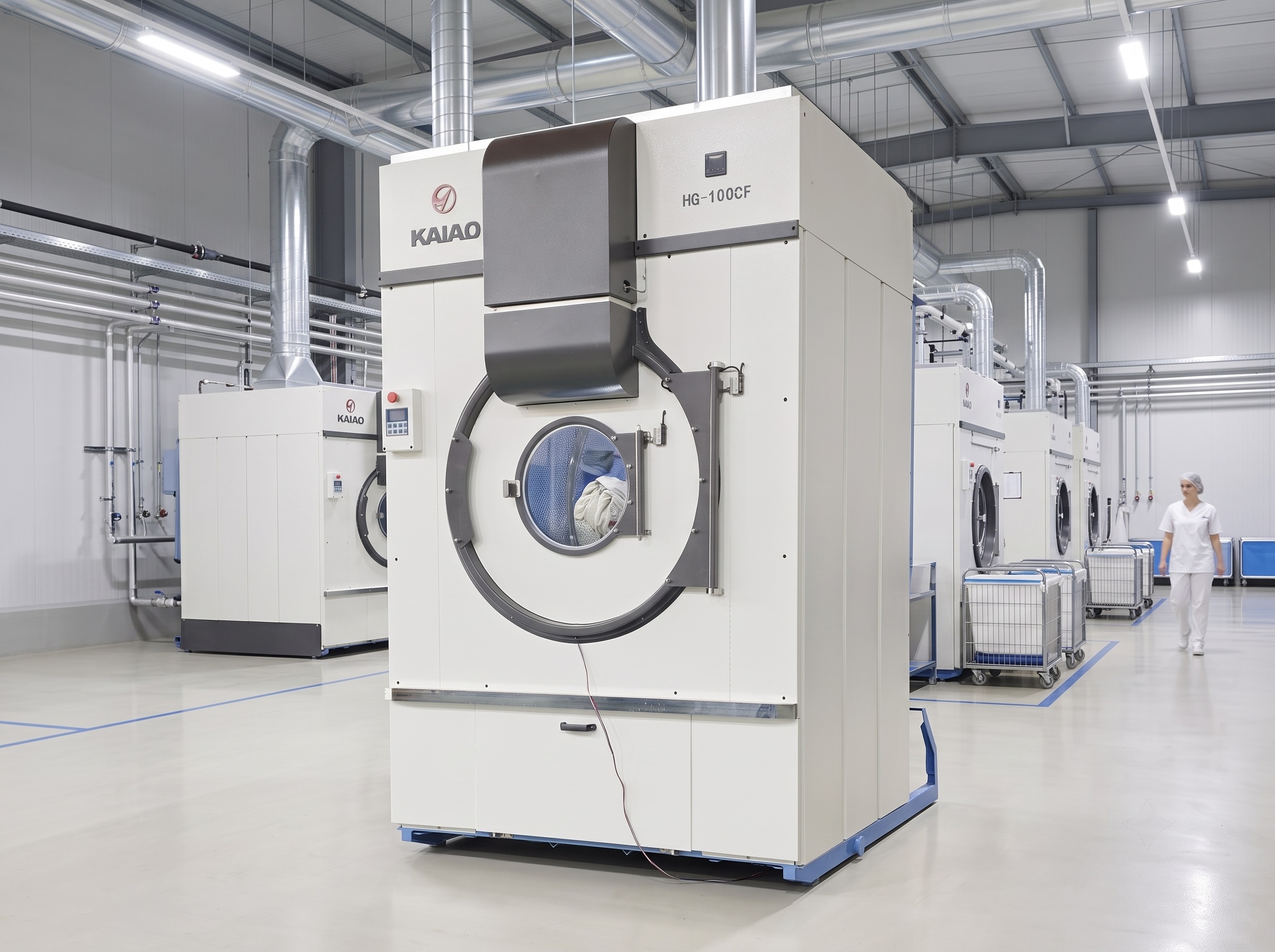
Kaiao enclosed high-efficiency energy-saving dryers are designed for the high-volume drying needs of the laundry industry, with optimized equipment structure and heat utilization efficiency.
For example, when drying approximately 160 kg of wet laundry, a steam dryer typically requires about 35–40 minutes, with steam consumption of approximately 100–110 kg, under normal operating conditions.
A gas dryer, under similar drying conditions, typically requires about 30–35 minutes, with natural gas consumption of approximately 7 m³.
In terms of drying speed, gas dryers generally offer fast heating and quick response. Steam dryers, meanwhile, are particularly suitable for laundry facilities that already have a stable steam supply.
There is no absolute answer as to whether gas or steam is better. The right choice depends on local natural gas prices, steam costs, available energy sources, and daily drying volume.
For laundry businesses, real cost savings do not simply come from choosing gas or steam. More importantly, they come from selecting an efficient, energy-saving, stable, and reliable industrial dryer. Faster drying can reduce energy consumption, shorten production cycles, improve overall efficiency, and help reduce labor and operating costs.
Actual energy consumption may vary depending on fabric type, moisture content after extraction, load capacity, ambient temperature, and drying requirements. Choosing a dryer that matches the factory’s energy conditions and production needs is the key to reducing long-term operating costs.