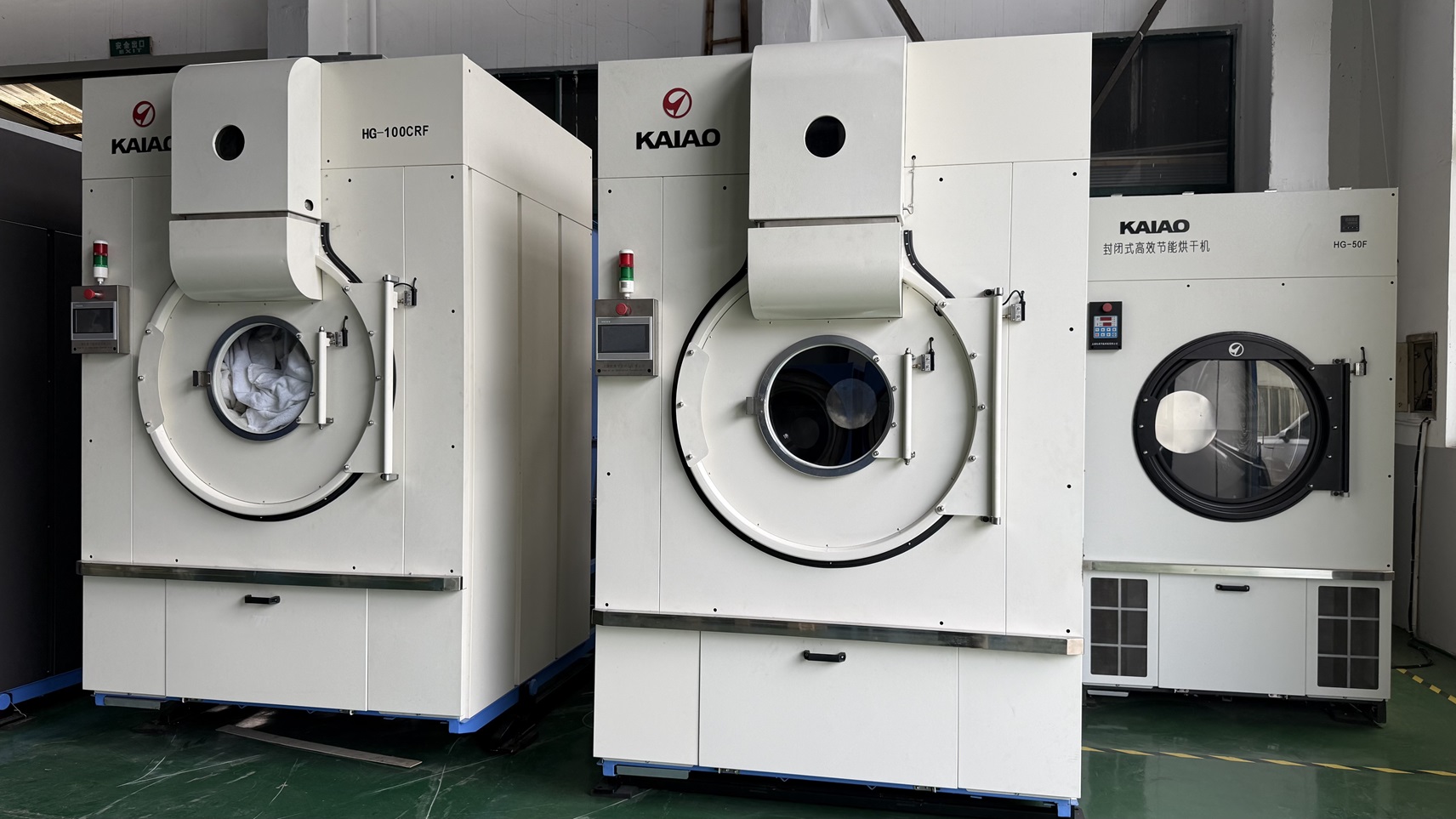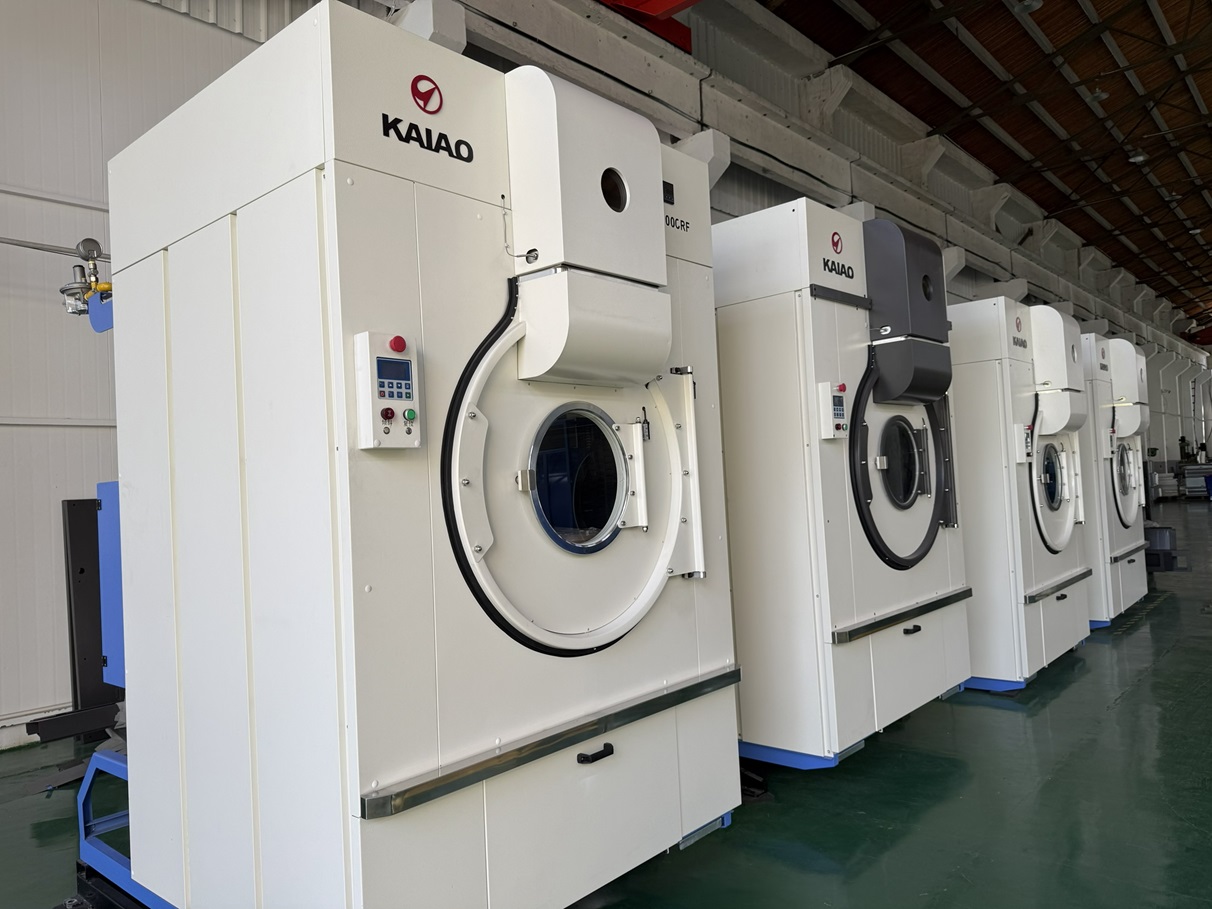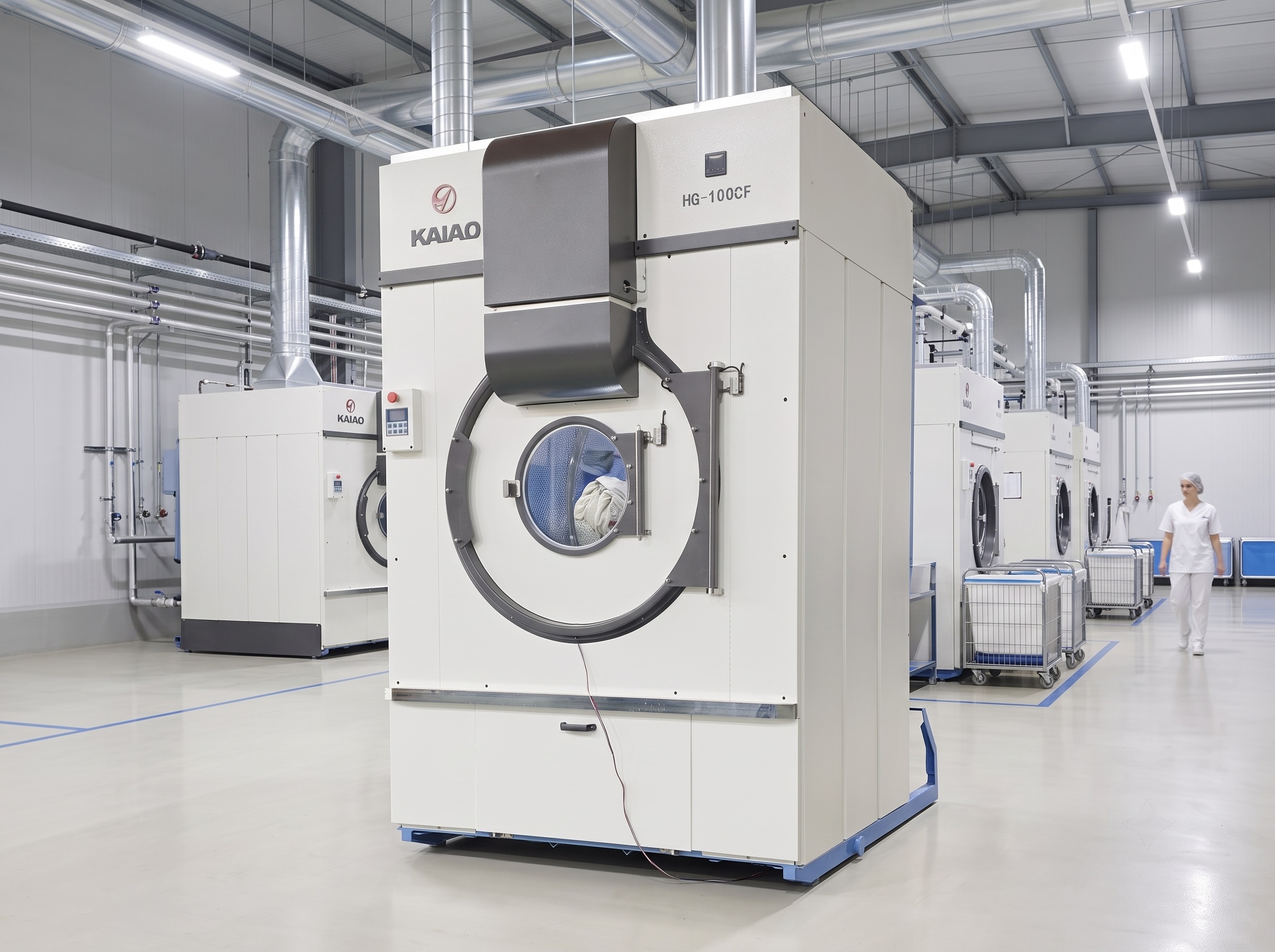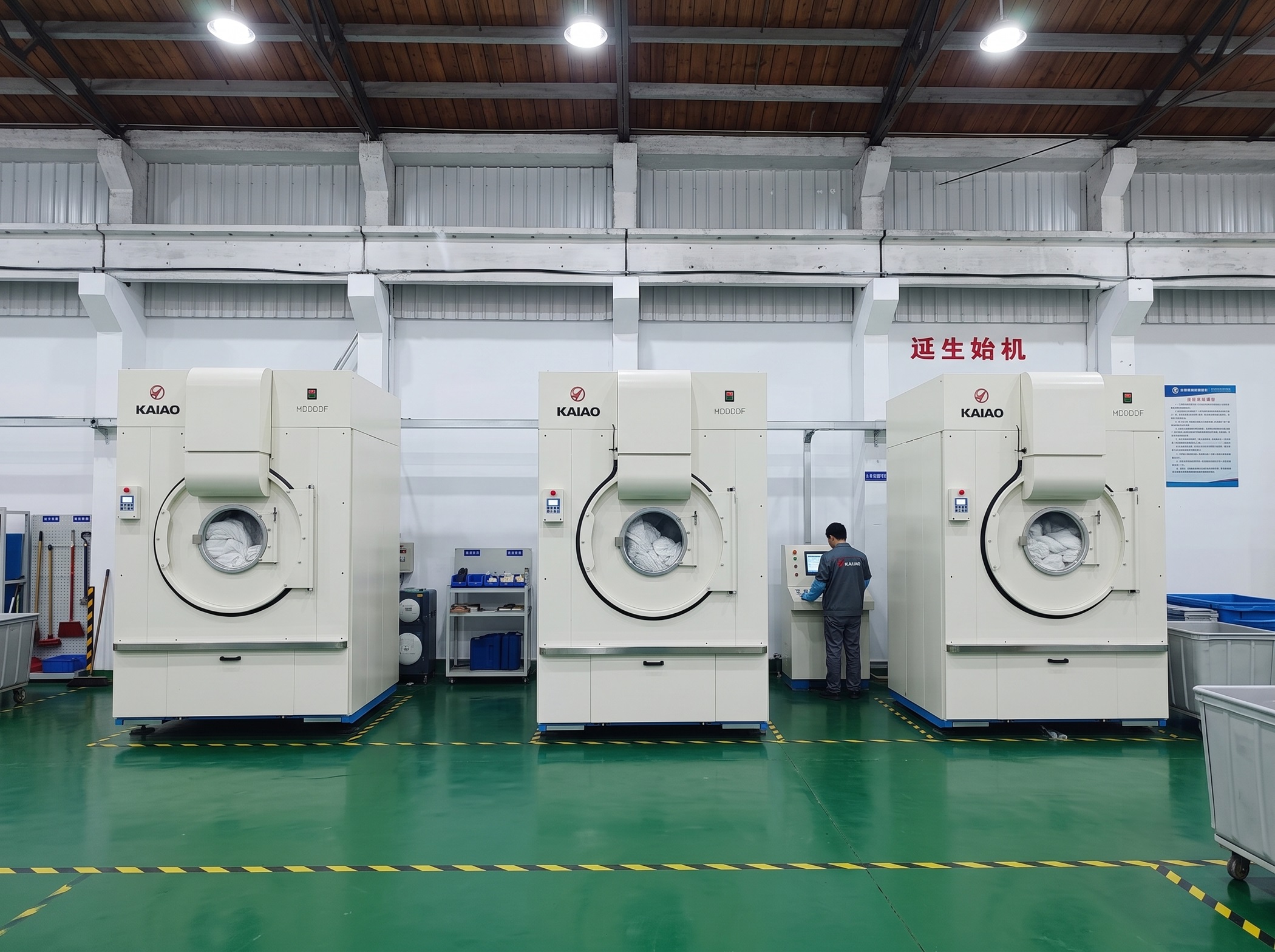
Selecting the right commercial laundry dryer is one of the most critical decisions for any commercial laundry facility, garment wash plant, or textile dyeing operation balancing energy consumption and labor efficiency.
Among all commercial laundry equipment, the industrial tumble dryer is typically the single largest consumer of thermal energy. In today’s saturated machinery market, price wars often overshadow build quality. However, an underperforming commercial laundry dryer quietly drains operating margins day after day through slow cycle times and excessive utility bills.
So, what separates an ordinary dryer from a truly high-efficiency commercial machine?
Among all commercial laundry equipment, the industrial tumble dryer is typically the single largest consumer of thermal energy. In today’s saturated machinery market, price wars often overshadow build quality. However, an underperforming dryer quietly drains operating margins day after day through slow cycle times and high utility bills.
So, what separates an ordinary dryer from a truly high-efficiency commercial machine?
The 3 Non-Negotiable Metrics of Commercial Dryer Performance
When evaluating an industrial dryer for your plant, ignore superficial marketing claims. Experienced plant operators evaluate equipment based on three measurable standards:
Specific Energy Consumption: How much steam (kg) or natural gas (m³) does the unit burn to extract one kilogram of water?
Cycle Speed & Throughput: How many minutes does a complete dry cycle take under full wet load? Faster cycles directly lower labor costs per ton of linen.
Thermal & Structural Stability: Does the machine maintain uniform heat distribution and run continuously during peak shifts without mechanical failure?
The Engineering Behind True Energy Efficiency: Open vs. Closed-Loop Airflow
Many conventional dryers pull cold ambient air continuously from the plant floor, heat it, blow it across the drum once, and vent massive amounts of sensible heat straight through the exhaust duct.
A high-performance closed-loop energy-saving dryer re-engineers this thermal pathway:
Advanced Heat Recirculation: Instead of dumping usable thermal energy, the internal chamber optimizes airflow so that heat is transferred deeply into thick linens and towels before venting saturated moisture.
Sealed Cabinet Insulation: Premium double-wall insulation minimizes radiant heat loss, ensuring that BTUs stay inside the drum rather than heating up the laundry room.
Higher Load Density Efficiency: Unlike standard machines that lose efficiency when packed, an aerodynamically balanced dryer actually achieves better thermodynamic efficiency under high-volume linen processing.
Real-World Performance Benchmarks (160 kg Wet Load Test)
To illustrate how engineering design impacts plant utility bills, consider the field performance data of Kaiao industrial dryers under a standard 160 kg wet laundry load (linens with moisture content after high-speed extraction):
| Heating Method | Average Cycle Time | Utility Consumption per Cycle |
|---|---|---|
| Industrial Steam Dryer | 35 – 40 minutes | Approx. 100 – 110 kg Steam |
| Natural Gas Dryer | 30 – 35 minutes | Approx. 7 m³ Natural Gas |
(Note: Exact cycle time and fuel consumption vary depending on ambient boiler pressure, natural gas calorific value, fabric weight, and target residual moisture.)
Achieving a sub-40-minute turnaround on a 160 kg wet batch allows a commercial laundry line to dramatically increase daily throughput while cutting baseline thermal waste.
Dedicated to High-Efficiency Laundry Technology for Over 20 Years
Energy efficiency is not an afterthought or an add-on feature; it is built into the structural core of the equipment.
With more than 20 years of manufacturing experience focused strictly on high-efficiency drying solutions, Kaiao engineers commercial tumble dryers specifically for mid-to-high-end laundry facilities, linen hire providers, and industrial dyeing plants where equipment durability and energy ROI are paramount.
In our upcoming technical articles, we will dive deeper into:
How lint management and optimized static pressure reduce fire risks and energy waste.
Steam radiator coil surface area vs. natural gas burner modulation in continuous shifts.
Step-by-step ROI calculation: How upgrading your dryer pays for itself within 12–18 months.
Need Engineering Advice for Your Plant?
Whether you are planning a new commercial laundry facility or upgrading existing gas/steam drying lines, selecting the right capacity and heat source is key to your plant’s profitability.
Explore our technical specifications or contact our engineering specialists today to calculate your plant’s potential energy savings.