Many laundry plant and commercial laundry owners, when choosing an industrial dryer, make price comparison their first reaction, easily overlooking two core points: drying speed and energy consumption. These two factors are the key drivers that genuinely impact daily production profits.
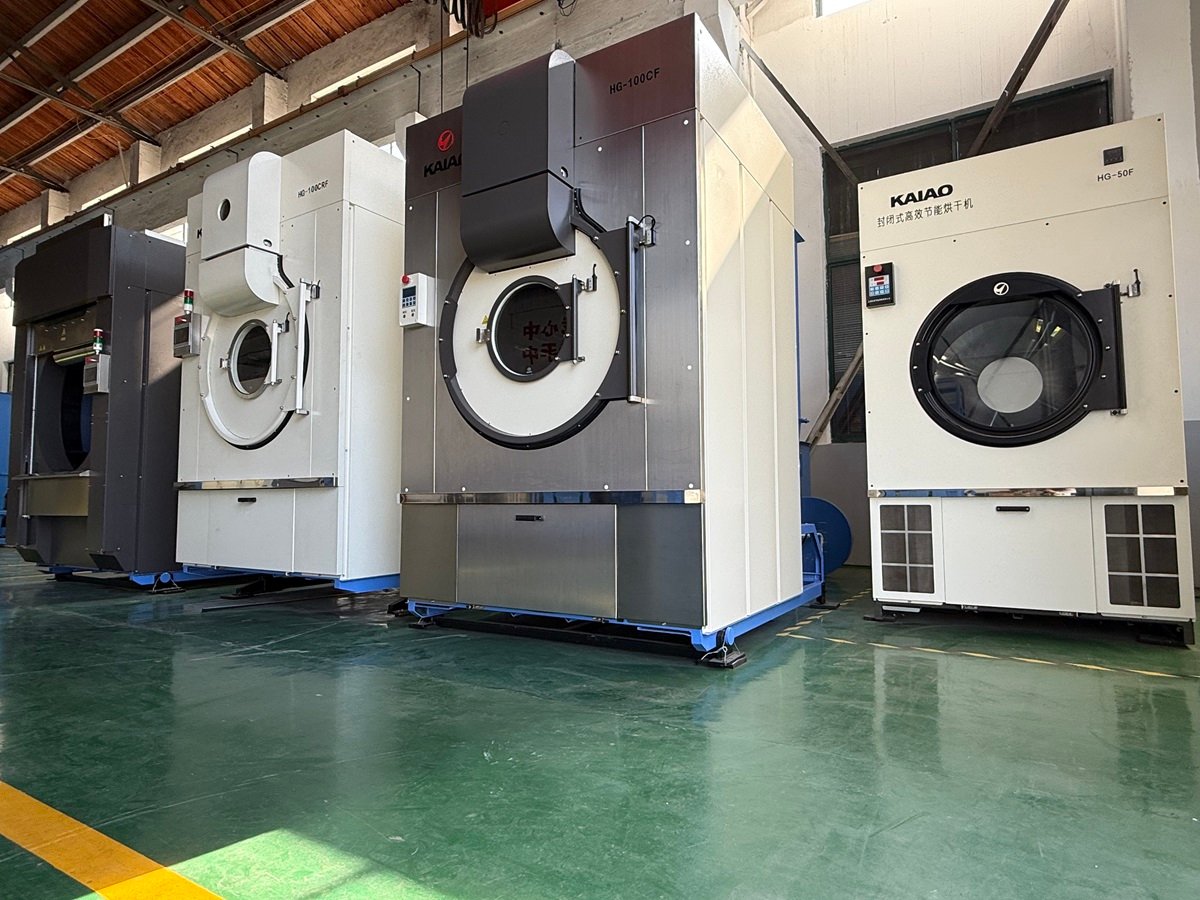
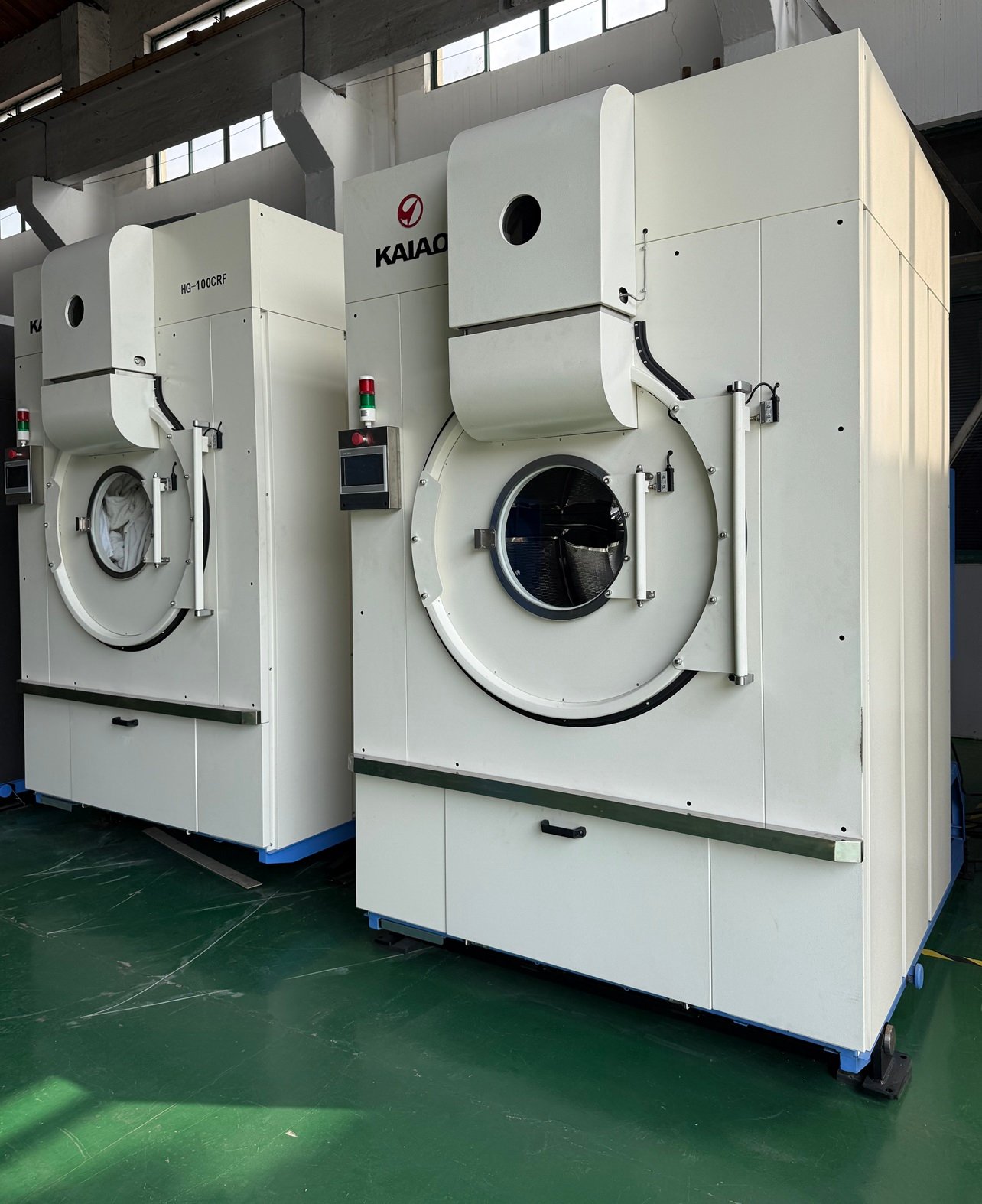
Judging whether an industrial dryer is effective doesn’t require staring at a bunch of complex parameters; just focus on these two points. Taking the Kaiao 100kg steam industrial dryer as an example, combined with multiple on-site field tests and long-term customer feedback for your reference:
For 160kg of wet towels (total weight including retained water), normal operating conditions achieve complete drying in about 40 minutes, with a steam consumption of 95–100kg.
For 100kg of wet towels, drying takes just 25 minutes, with steam consumption of approximately 60kg.
These data points were recorded during normal workshop production, not exaggerated ideal figures from a laboratory. Many peers in the industry have fallen into traps: they bought low-priced equipment, seemingly saving money upfront, only to face endless problems after production began: slow drying caused linens to pile up in queues and jammed workshop flow; high energy consumption drove up monthly steam expenses, while unevenly dried linens led to rework that wasted manual labor.
Stable drying efficiency brings visible benefits. On one hand, linens are heated evenly, ensuring stable drying quality without surface-dry yet inner-damp issues, reducing customer service disputes. On the other hand, a controllable drying cycle makes production capacity easy to plan, preventing bottlenecks even during peak order periods.
The laundry industry earns hard-earned money, and profits are hidden within every single operational expense. Purchasing equipment is a one-time investment, whereas steam and fuel are day-in, day-out continuous expenses. Short-term price differences look tempting, but when calculating over a two-to-three-year lifecycle, equipment with high energy consumption and poor efficiency will quietly eat away at substantial profits.
When choosing drying equipment, look rationally at field-tested data and prioritize models with stable efficiency and solid energy performance. Keeping the drying rhythm steady, lowering energy consumption, keeping up production capacity with orders, and controlling costs form the foundation of a laundry plant’s long-term operations.