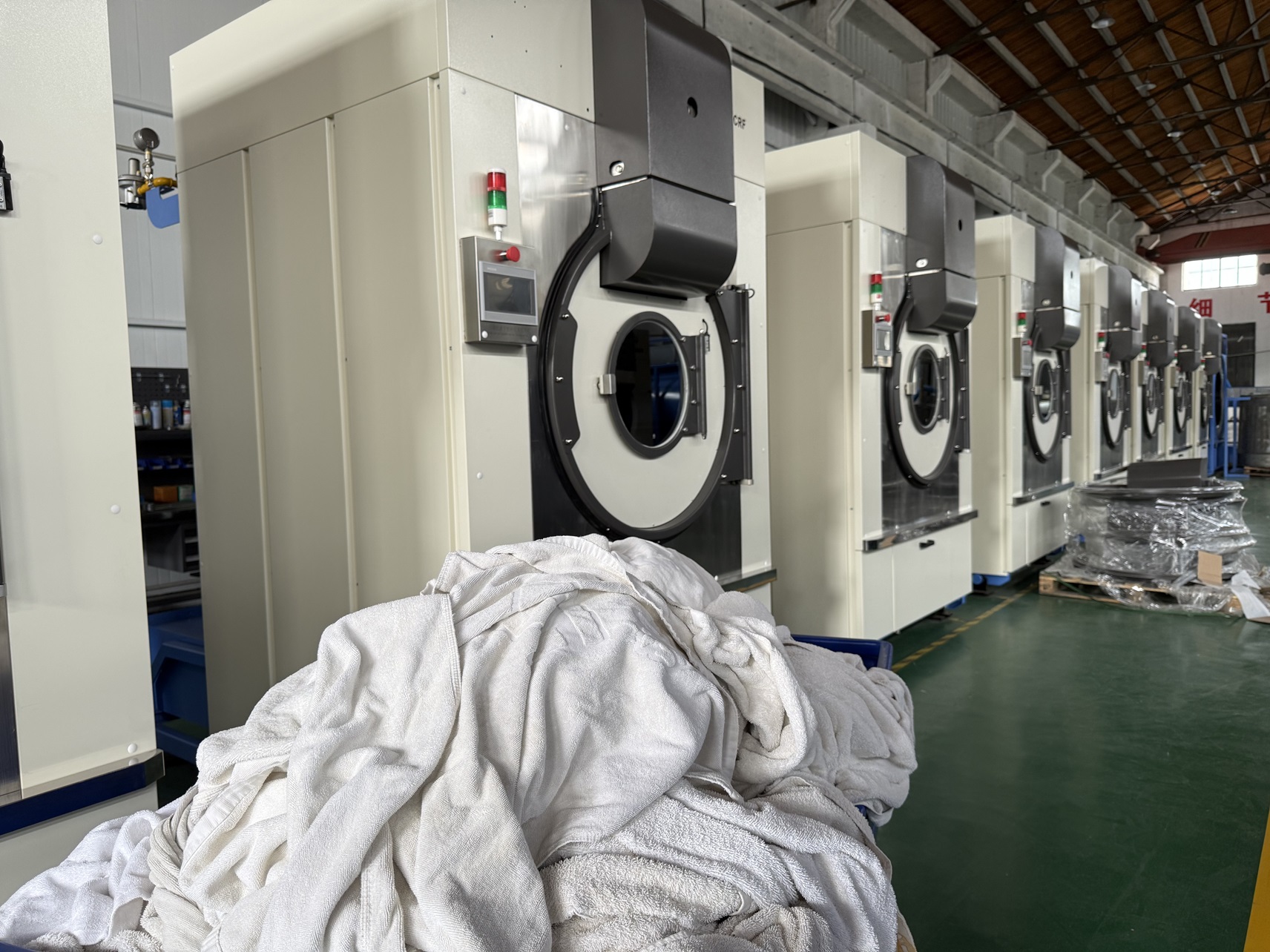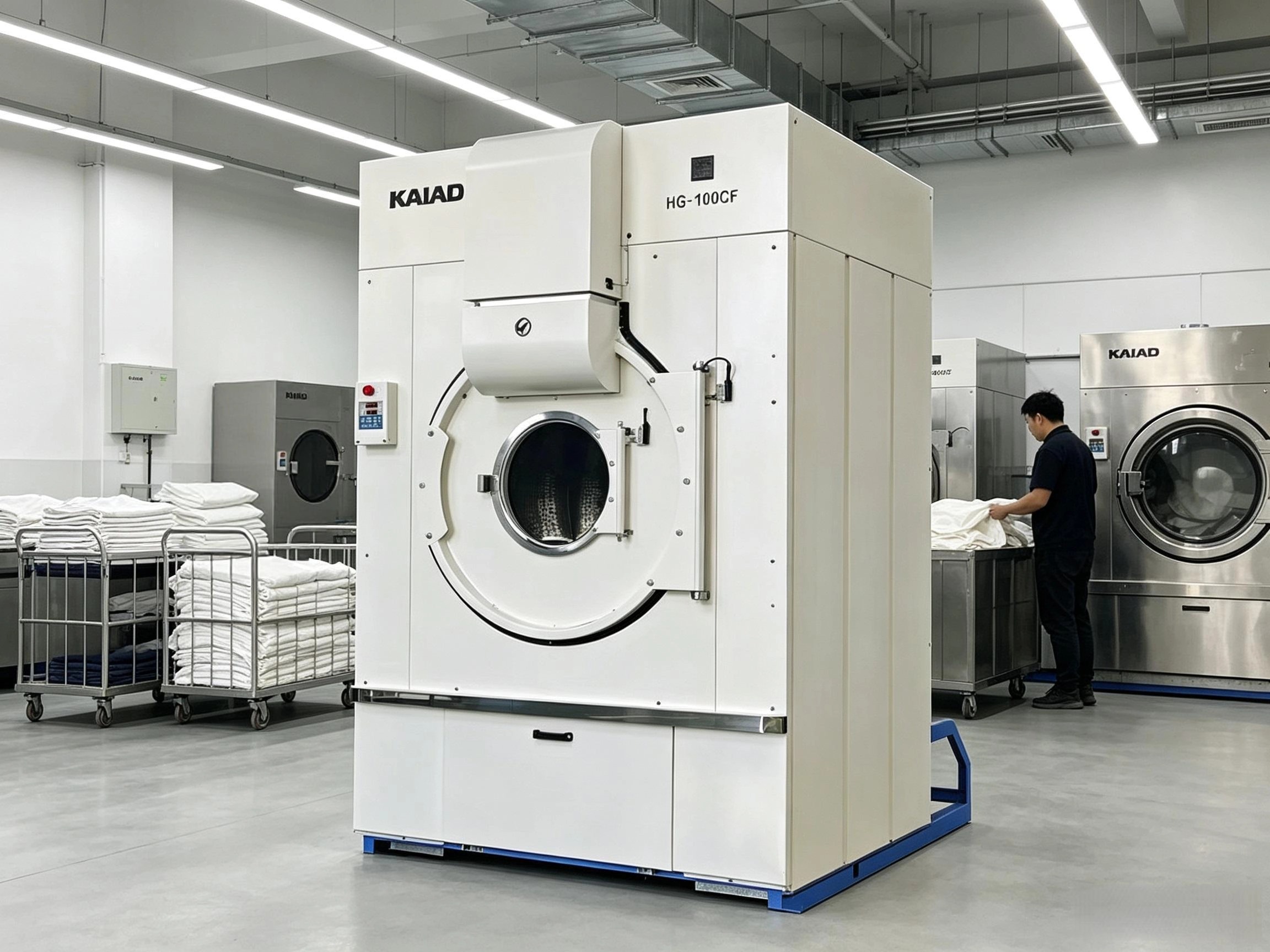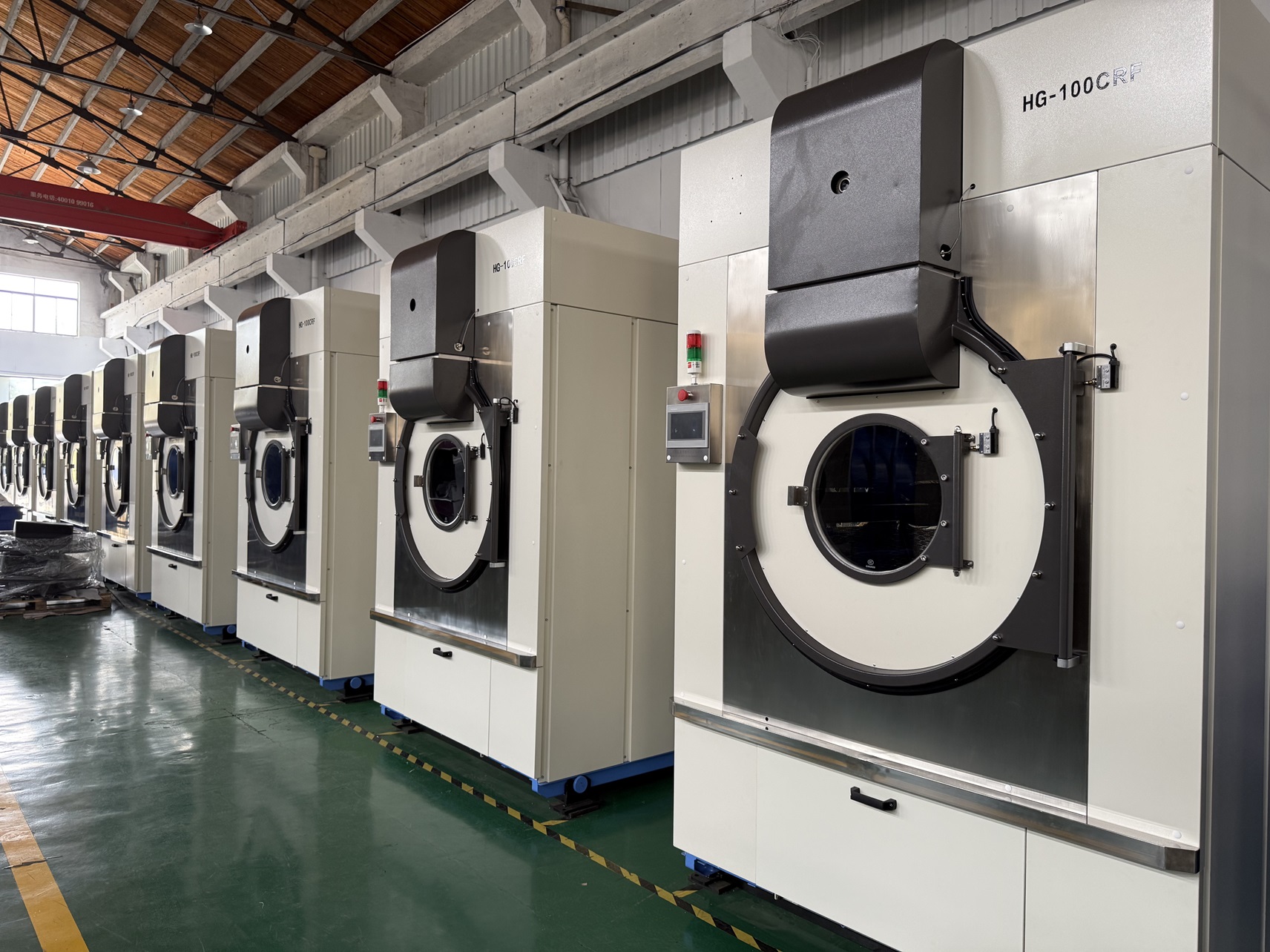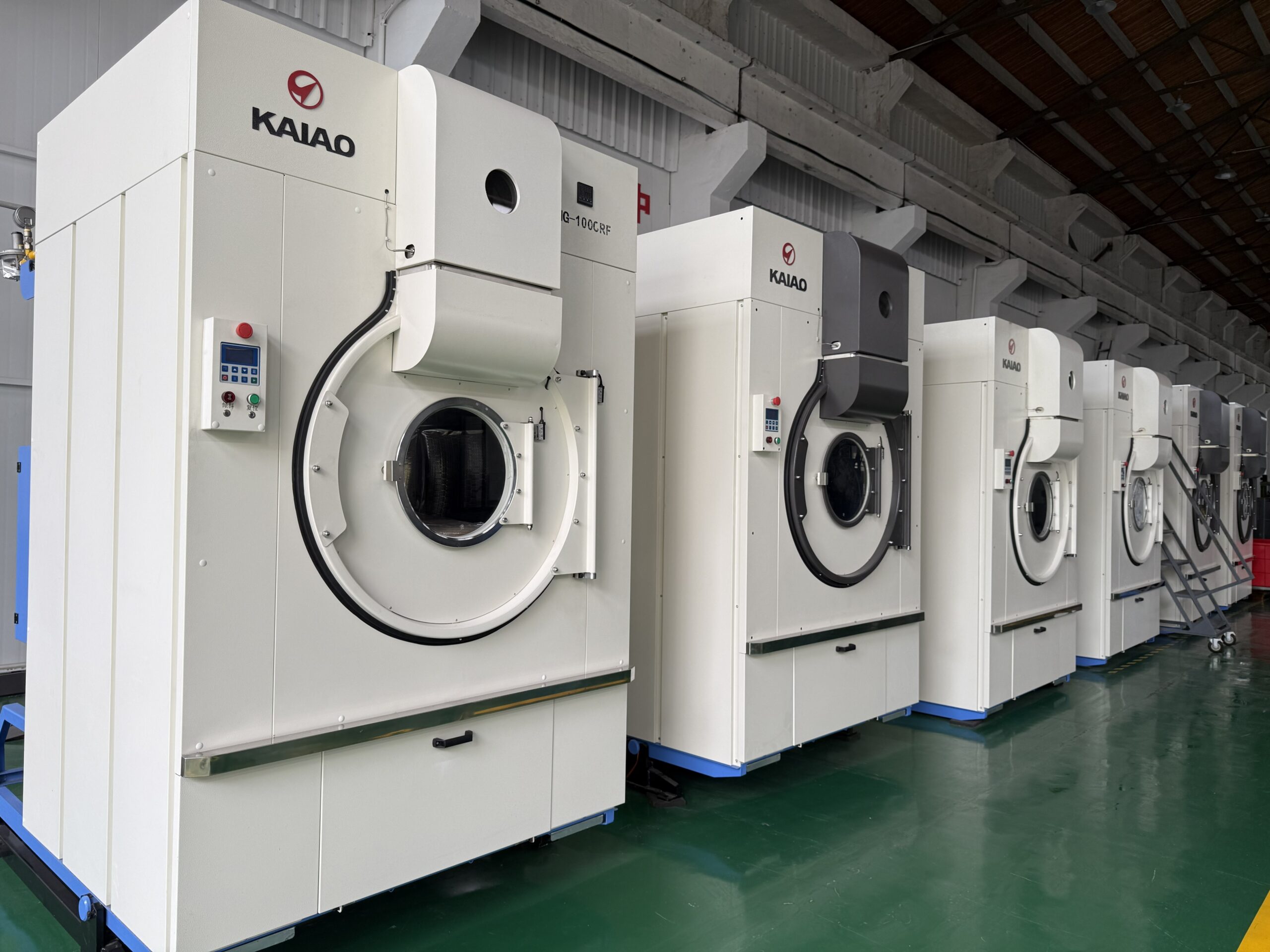
For linen laundry companies, the industrial dryer is the core revenue-generating asset. Choosing the right model dramatically slashes operational costs and boosts output; picking the wrong one leads to high energy bills and low capacity. Taking Kaiao Industrial Dryers as an example, here is how to accurately match the right machine to your facility based on your heating source and production scale.
1. The Core Selection Matrix: Heating Sources
The available energy type at your plant dictates your machine choices:
Steam Supply Available: This is the most cost-effective scenario for large plants. It offers the widest compatibility, fully supporting Standard, Eco-Friendly (Energy-Saving), and Advanced Front-Air-Intake High-Efficiency models.
Electric or Natural Gas Only: Facilities are typically limited to Standard models.
Upgrade Tip: To access high-efficiency, steam-driven models under these conditions, you can install a boiler or steam generator to convert gas/electricity into steam thermal energy.
2. Cost vs. Long-Term ROI
There is a clear trade-off between upfront purchasing costs and long-term operating expenses:
Front-Air-Intake High-Efficiency Model
Upfront Equipment Cost: Highest
Long-Term Energy Consumption: Lowest
Best Suited For: Mid-to-large plants focused on long-term cost reduction and stable high output.
Eco-Friendly (Energy-Saving) Model
Upfront Equipment Cost: Medium
Long-Term Energy Consumption: Medium
Best Suited For: Growing plants looking for a balance between budget and efficiency.
Standard Type Model
Upfront Equipment Cost: Lowest
Long-Term Energy Consumption: Highest
Best Suited For: Small-scale startups with limited budgets and low daily volume.
3. Industrial Automation: Pass-Through (Tunnel) Dryers
Exclusively Steam-Driven: Pass-Through Dryers are highly customized units that do not operate standalone.
Production Line Integration: They must be paired with tunnel washers (laundry dragons) and extraction presses to form a fully automated industrial laundry pipeline.
Target Market: Purpose-built for large-scale, high-volume, and highly standardized operations requiring heavy-duty drying and linen-loosening processes.
Summary & Recommendations
Small Plants: Opt for Standard or Eco-Friendly models to minimize initial investment and match lower daily volumes.
Mid-Sized Plants: Lock in the Front-Air-Intake High-Efficiency models for rapid energy savings and a quicker return on investment.
Large Operations: Deploy automated Pass-Through Tunnels to achieve maximum throughput, reduce labor costs, and optimize overall profitability.