How to Balance Safety, Drying Quality, and Gas Energy Efficiency When Choosing an Industrial Dryer for a Laundry Plant?
Many hotel laundry rooms, linen rental services, and commercial washing plants often struggle when upgrading their equipment: What key indicators should be prioritized when choosing an industrial energy-efficient dryer? When drying identical loads of linens, why do some facilities incur significantly higher gas and electricity costs? Investing in the right energy-efficient dryer is crucial for reducing long-term operational expenses and maximizing profitability in any modern laundry facility.
When upgrading drying equipment, many hotel laundry rooms and garment dyeing/washing plants often struggle with questions like: Which indicators matter most for a dryer? And why do some dryer units incur much higher gas costs even when drying the same amount of linen?
Q: How can a laundry plant balance safety and drying quality while controlling gas energy consumption when purchasing a dryer?
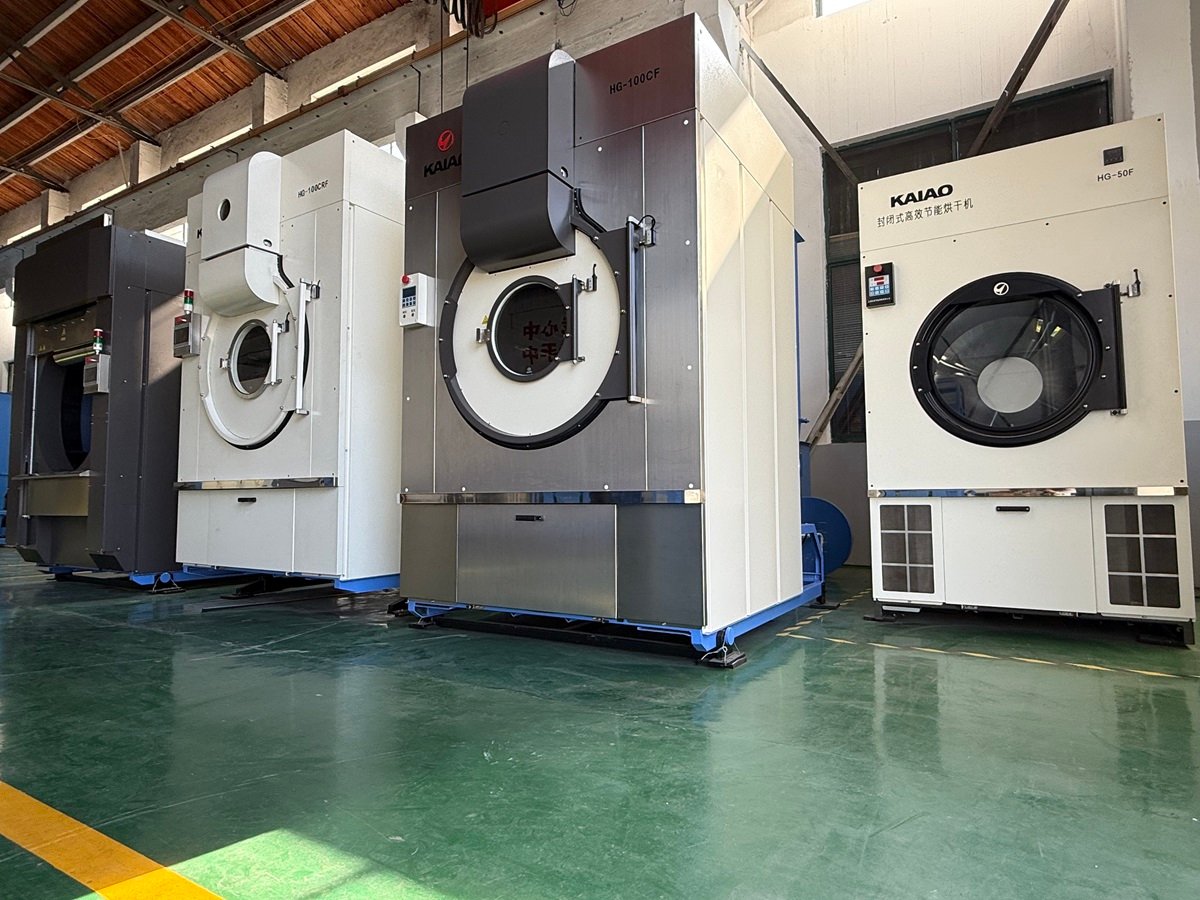
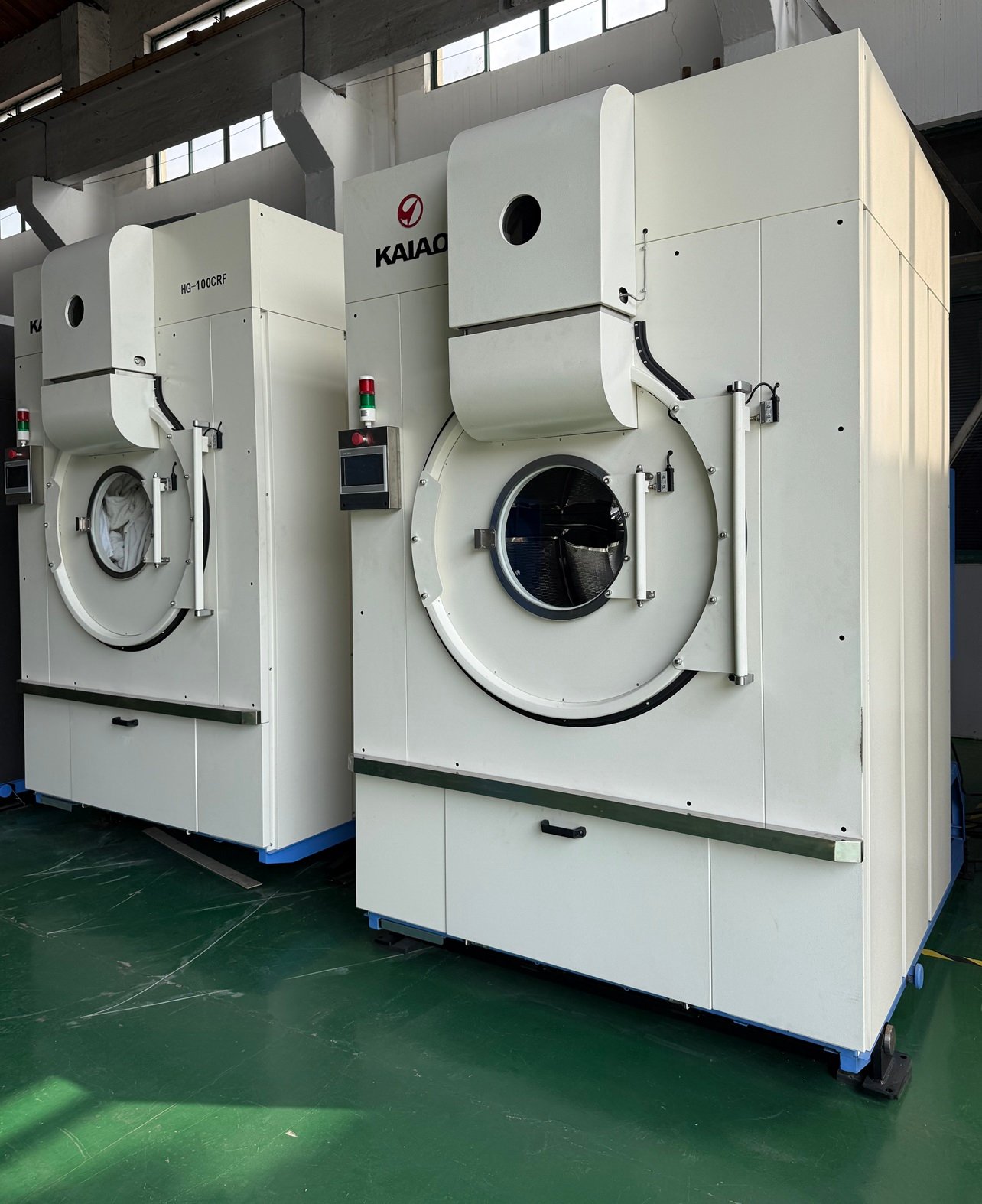
A: You can focus on enclosed gas dryers. This type of dryer places the burner on the isolated top of the equipment, maintaining a safe distance between the drum and the flame to reduce safety hazards associated with open flames and deflagration.
Equipped with multi-stage flame drying control, the dryer uses high temperature to quickly remove moisture in the early stage and low temperature with a small flame in the later stage. This prevents the stiff and yellowish issues common in traditional gas-dried linens, delivering a drying effect close to that of steam dryers.
The negative-pressure air duct combined with a variable-frequency temperature control structure allows for higher heat utilization and less thermal energy loss. Compared to ordinary dryer models, it achieves an overall energy-efficient dryer benefit, saving 20% to 40% in energy overall.
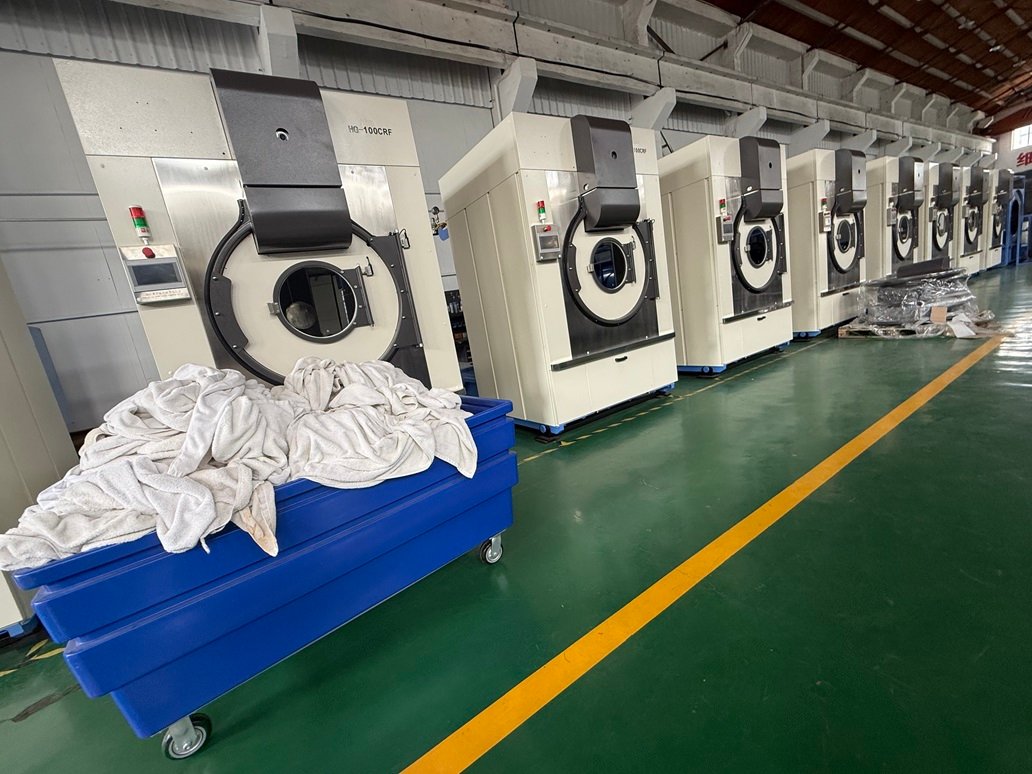
Based on energy consumption data, a high-quality gas dryer consumes only 0.10–0.12 m³ of natural gas to evaporate 1 kg of water. Taking 100 kg of dry towels as an example, a batch of materials can be dried in 30 to 40 minutes, consuming 6 to 7.5 cubic meters of gas.
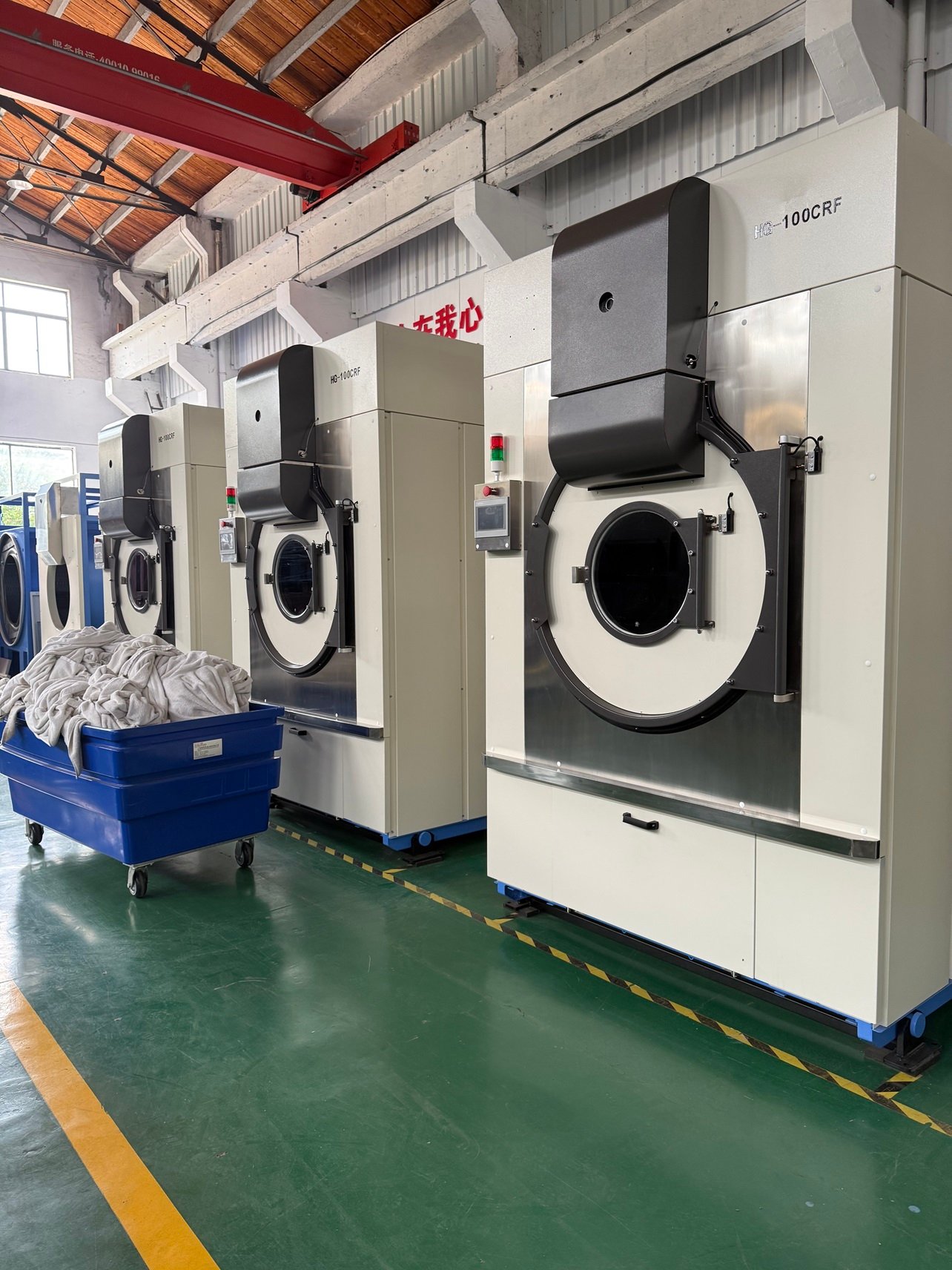
Additionally, the dryer features a drawer-type lint collection structure for lower dust emissions and a better workshop environment. It also supports optional heat energy recovery, pneumatic automatic unloading, and sound-absorbing air ducts, making it suitable for various washing scenarios—whether it is hospital or hotel laundry rooms, or professional washing plants. In long-term operations, stable and low energy consumption provided by an advanced energy-efficient dryer is the key to reducing operating costs for a laundry plant.